One day, you look in the mirror and think, “What if I tried something different?”
Maybe it’s a warmer shade for the festive season. Perhaps you’ve been thinking about covering your greys, or you’re simply curious about how a different hair colour might change your overall look. Sometimes, the feeling is even harder to explain. You don’t want a dramatic makeover. You just want something that feels a little more like you.
And suddenly, changing your hair colour becomes about much more than appearance.
Hair has always been part of how we present ourselves to the world. But today, colour choices can feel especially personal. From subtle changes to bold transformations, people use hair colour to explore their identity, mark a new chapter, or express a side of themselves they don’t always show in other ways.
So, when did colouring your hair become a form of self-expression? And why can something as simple as changing a shade feel like changing your mood, confidence, or perspective?
Let’s explore the story behind this everyday beauty ritual.
1. Sometimes, a New Hair Colour Means a New Chapter
Think about the changes people make when something important happens in their lives.
A new job. A move to a different city. The end of a relationship. A birthday that feels like a milestone. Or simply a morning when the person staring back from the mirror no longer feels quite like the person they want to be.
Not every change needs a dramatic reason. Sometimes, trying a different hair colour is simply a way to make an ordinary day feel different.
A fresh shade can become a small symbol of change. It offers a visible way to experiment with how you see yourself, even when everything else in your life stays the same.
Of course, a new colour won’t solve every problem or automatically make you feel more confident. But choosing something for yourself can be satisfying, particularly when the decision reflects your own preferences rather than someone else’s expectations.
Sometimes, the appeal of a makeover isn’t becoming someone new. It’s finding a new way to express who you already are.
2. Hair Colour Is More Personal Than We Often Realise
We usually think of hair colour in terms of appearance. Does the shade suit us? Does it complement our skin tone? Will it look good with our usual clothes?
But colour choices can also communicate personality and mood.
A natural-looking brown might feel understated and familiar. A deeper shade might create a more defined look. A bold colour can be playful, experimental, or simply something you’ve wanted to try for years.
There are no universal rules about what a particular shade says about a person. The same colour can mean something completely different to two people.
That’s what makes hair colour interesting: the meaning doesn’t come from the shade alone; it comes from the person choosing it.
For some, changing colour is an occasional treat. For others, maintaining a familiar shade is part of feeling comfortable and put together. And for many, it changes with their mood, lifestyle, or stage of life.
The best colour choice isn’t necessarily the trendiest one. It’s the one that feels right for you.
3. From Traditional Rituals to Modern Colour Choices
Hair colouring isn’t a new idea. Long before social media made beauty transformations popular, people used different preparations and techniques to colour their hair, decorate themselves, and take part in cultural traditions.
In India, henna has a particularly rich cultural history, especially in celebrations and ceremonial body art. Hair colouring practices, meanwhile, have evolved through traditional preparations, commercial formulations, and changing personal preferences.
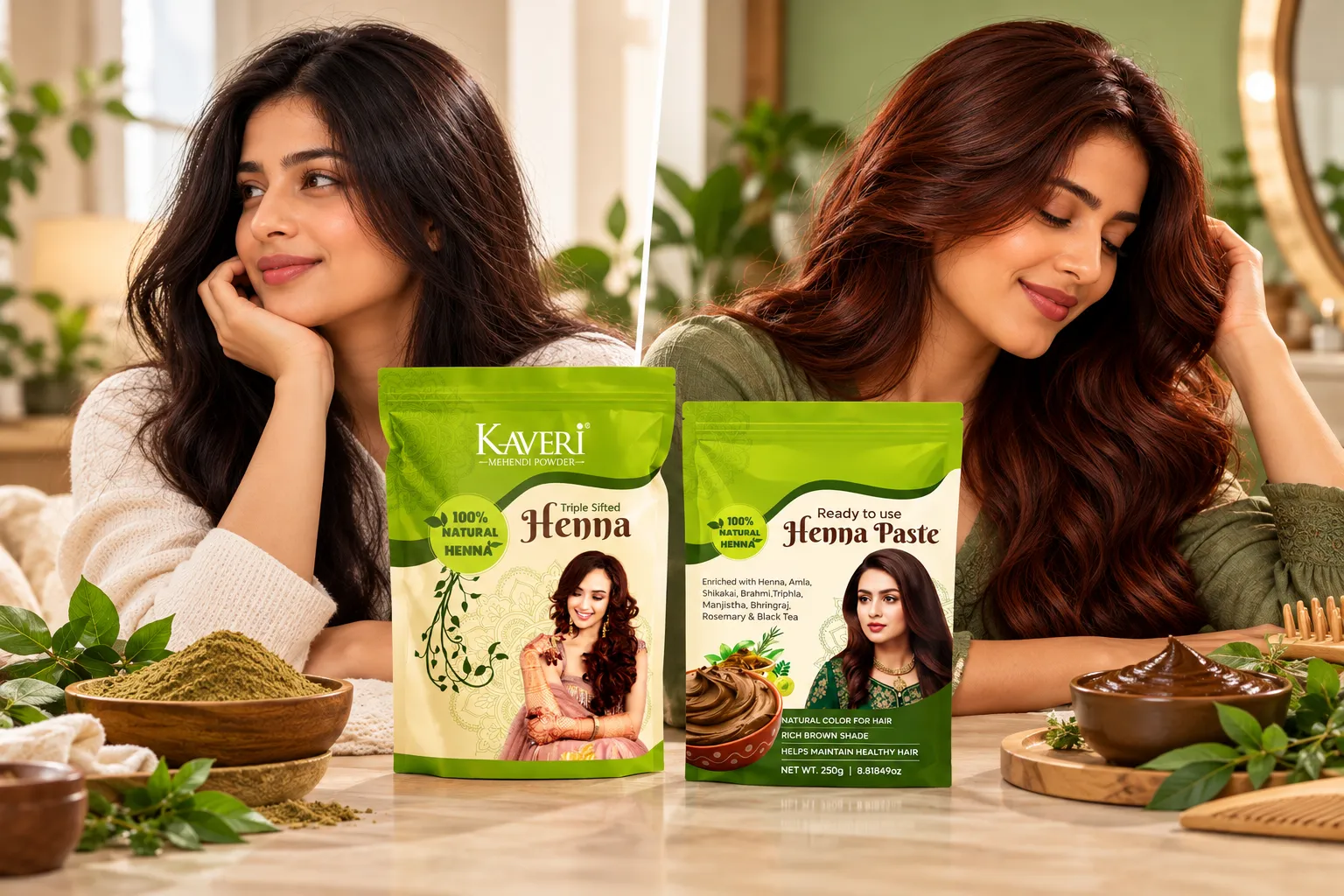
Today, someone exploring traditional colour options might come across Henna Powder or a Henna Based Hair Color while researching different approaches to hair colouring.
These options can appeal to people interested in traditional ingredients, but it’s important to understand that products vary in composition, colour results, and intended use. A preparation intended for body art isn’t automatically suitable for hair, and a product described as henna-based may contain other ingredients.
If you’re exploring a new colouring method, check the full ingredient list, intended application, and directions. Don’t assume that a traditional or plant-derived product is automatically risk-free.
Tradition can be a meaningful starting point, but choosing a product still requires care.
4. When Beauty Rituals Become Part of Celebrating Yourself
Some beauty rituals are about everyday grooming. Others become part of occasions we remember.
Weddings, festivals, family gatherings, and celebrations often bring personal-care traditions into focus. Getting ready becomes an experience in itself, shared with family or friends, filled with anticipation, and connected to memories.
Mehendi is a wonderful example. For many people, applying it is not simply about the final design. It’s about the conversations, the anticipation, and the traditions surrounding the occasion.
A Mehendi cone makes applying intricate designs more convenient, while an instant mehndi cone for bridal may appeal to those looking for a product specifically marketed for bridal use. As with any cosmetic preparation, it’s important to check the ingredients and avoid products containing unsafe additives.
These rituals show that beauty can carry meaning beyond appearance. It can connect us with our culture, help us participate in celebrations, and create moments we associate with the people around us.
Hair colour can work in a similar way. Sometimes, the change is private and personal. At other times, it’s part of a celebration or a new beginning.
Either way, the experience can matter just as much as the final look.
5. The Grey Hair Conversation: Confidence Has No Single Shade
For a long time, grey hair has been surrounded by expectations. Some people feel pressure to cover it, while others choose to embrace it. Neither choice needs to define anyone’s confidence.
Grey hair can be a natural part of ageing, and there’s nothing wrong with leaving it as it is. Equally, wanting to colour it doesn’t mean someone is rejecting their age or trying to look younger.
It can simply be a matter of personal preference.
For someone who enjoys maintaining their usual shade, a Hair color Dye may be one option to explore. Others may prefer a Hair color Shampoo, depending on the formulation, their desired result, and how the product is designed to be used.
People who want to colour facial hair may also look for beard hair color products made specifically for that purpose. Hair and beard products are not necessarily interchangeable, so always follow the product’s intended-use instructions.
Whatever you choose, the goal should be to feel comfortable with your appearance—not to meet an arbitrary standard about how old you should look.
Confidence isn’t about choosing between grey and coloured hair. It’s about having the freedom to choose without feeling judged.
6. Why the Way We Colour Our Hair Is Changing
Beauty choices are becoming increasingly personal. Instead of following one universal idea of what looks good, people are exploring options that suit their routines, budgets, preferences, and lifestyles.
Some want a noticeable transformation. Others want a subtle change that fits easily into their daily lives. Some prefer salon services, while others research products they can use at home.
This has also made convenience an important part of the conversation. People may consider how long a colour takes to apply, how much maintenance it requires, and how it fits into their schedule.
For those who prefer a traditional approach to certain hair-care routines, an ayurvedic Shampoo may be another product category they explore. However, a shampoo intended for cleansing should not automatically be assumed to colour hair or maintain a particular shade; that depends on its formulation and purpose.
The larger shift is that people are asking more practical questions before choosing a beauty product.
What do I want the result to look like? How much upkeep am I comfortable with? What ingredients does the product contain? And will it fit into my everyday routine?
These questions make colour choices more intentional—and often more satisfying.
7. The Psychology of Looking Different in the Mirror
There’s a small but interesting moment that follows a hair-colour change: seeing yourself in the mirror and needing a second to get used to the new look.
You haven’t changed as a person, but your reflection looks different. You might feel excited, surprised, or uncertain until the shade starts to feel familiar.
This experience highlights how closely appearance and self-perception can interact. The way we look can influence how we present ourselves, but it doesn’t determine our personality or worth.
Sometimes, a change makes us feel more aligned with the image we’ve had in mind. At other times, we discover that the shade we imagined isn’t quite what we wanted.
That’s part of experimenting with personal style.
If you’re considering a change, start by thinking about the result you actually want. Research suitable products, understand how the colour may develop on your existing hair, and consider getting professional advice if you’re making a major change.
It’s also sensible to follow the manufacturer’s safety instructions and allergy-alert testing guidance. Even products you’ve used before can sometimes cause reactions.
A little preparation can make the experience more comfortable and help you make a more informed choice.
8. How to Choose a Hair Colour That Feels Like You
If you’re thinking about changing your hair colour, you don’t need to start by asking what’s trending. Start with what you want from the experience.
Decide what kind of change you want. Are you looking for a subtle refresh, grey coverage, or a completely different look?
Consider your maintenance preferences. Some colour choices require more frequent touch-ups than others. Be realistic about the time and effort you’re willing to invest.
Research the product carefully. Understand the ingredients, intended use, expected result, and application instructions. Don’t assume every colouring product works in the same way.
Think about hair condition. If your hair is already damaged or has undergone several chemical treatments, seek professional guidance before making a major colour change.
Make the decision for yourself. Friends, creators, and beauty trends can provide inspiration, but the final choice should reflect your own preferences.
Most importantly, remember that self-expression doesn’t require a dramatic transformation. Even a small change can feel meaningful when it’s something you’ve chosen for yourself.
Final Thoughts: Your Hair, Your Story
So, when did changing your hair colour become a form of self-expression?
Perhaps it always had that potential. What’s changing is the way we talk about it.
Today, hair colour can be a personal style choice, a way to explore identity, a celebration of tradition, or simply a practical preference. It doesn’t have to carry a deep meaning every time, and it certainly doesn’t have to follow the latest trend.
You can embrace your natural colour, cover your greys, experiment with a new shade, or decide that you don’t want to change anything at all.
Every choice is valid when it comes from your own preferences.
Because hair colour is more than a shade on a chart. It’s one of the many ways we get to decide how we present ourselves to the world.
And the most meaningful makeover is the one that makes you feel more like yourself—not more like everyone else.