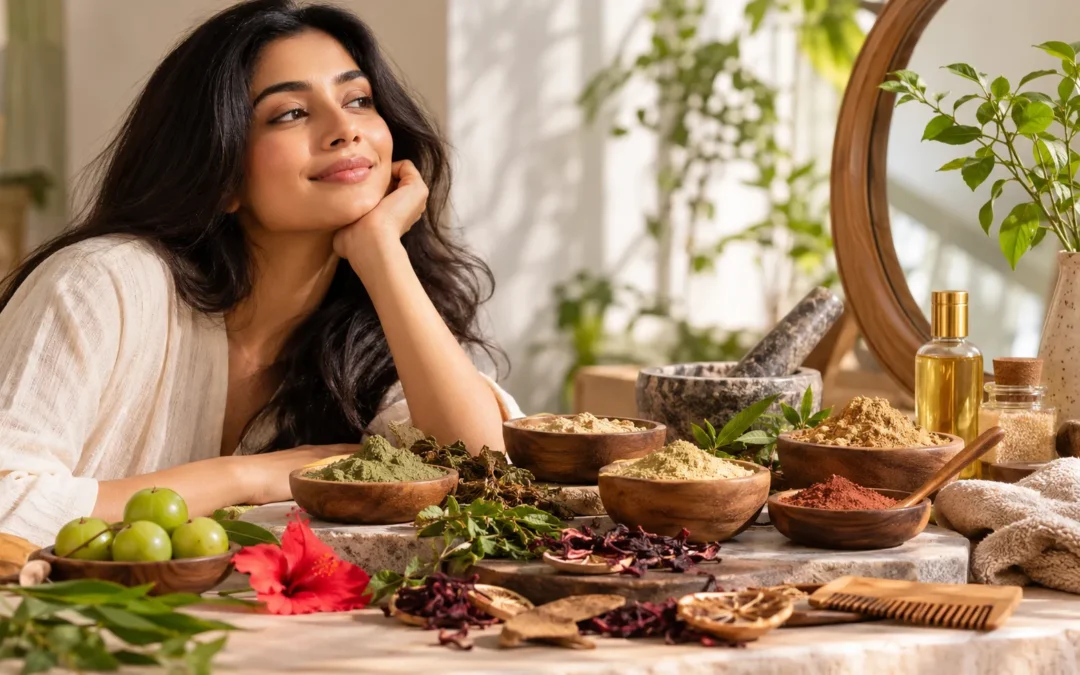

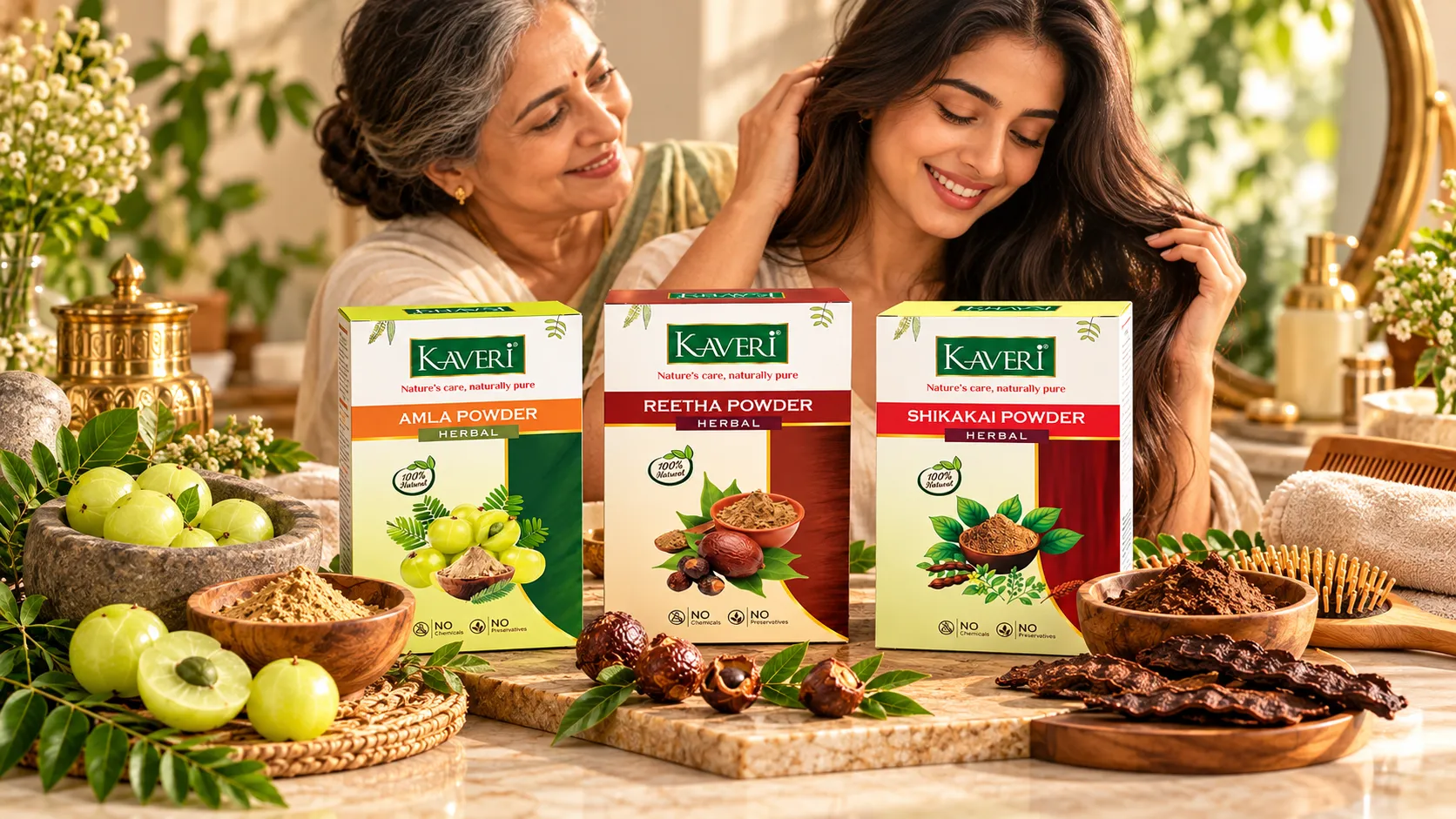
Your grandmother was into beauty trends before beauty influencers even existed. The funny part? You probably ignored her advice.
Remember when your grandmother suggested a homemade face pack just before a family wedding? Or when she insisted that your haircare routine needed something from the kitchen rather than another fancy bottle?
You probably weren’t impressed. You wanted the shampoo everyone was talking about, the skincare product you had seen online, or the latest beauty trend your friends were trying.
And now? Those traditional ingredients are finding their way into modern beauty conversations.
The very rituals that once seemed old-fashioned are inspiring a new generation to explore botanical ingredients, heritage-inspired skincare and traditional haircare practices.
It’s a little ironic, isn’t it?
But this isn’t simply about bringing back everything our grandmothers did. Gen Z wants to know what’s inside a product, how an ingredient is used and whether a beauty claim actually makes sense.
So, let’s revisit those familiar beauty rituals, discover the ingredients behind them and find out why old-school beauty is getting a very modern makeover.
1. Grandma’s Haircare Routine Was Simpler Than Your Shopping Cart
Today’s haircare routine can feel like a full-time job. There’s something for frizz, something for shine, something for the scalp and another product promising to transform your hair overnight.
Traditional Indian haircare often followed a different approach. Familiar herbs and plant-based ingredients played a role in cleansing rituals and homemade hair preparations.
And some of those old favourites are worth getting to know.
Amla: The Haircare Favourite That Never Really Left
Some beauty trends disappear after a few months. Others remain part of family traditions for generations.
Amla powder is one such ingredient, with a long history in traditional Indian haircare. Its continued popularity reflects an interest in botanical ingredients and the rituals associated with them.
The modern twist? Instead of expecting one ingredient to solve every hair concern, take the time to understand its intended use and the quality of the product.
A traditional ingredient doesn’t need miraculous claims to have an interesting story.
Reetha and Shikakai: Before Hair Washing Became a Whole Routine
Imagine explaining your entire haircare shelf to your grandmother: one shampoo for frizz, another treatment for shine, a scalp scrub and a separate mask for wash day.
She might wonder when washing your hair became such a complicated affair.
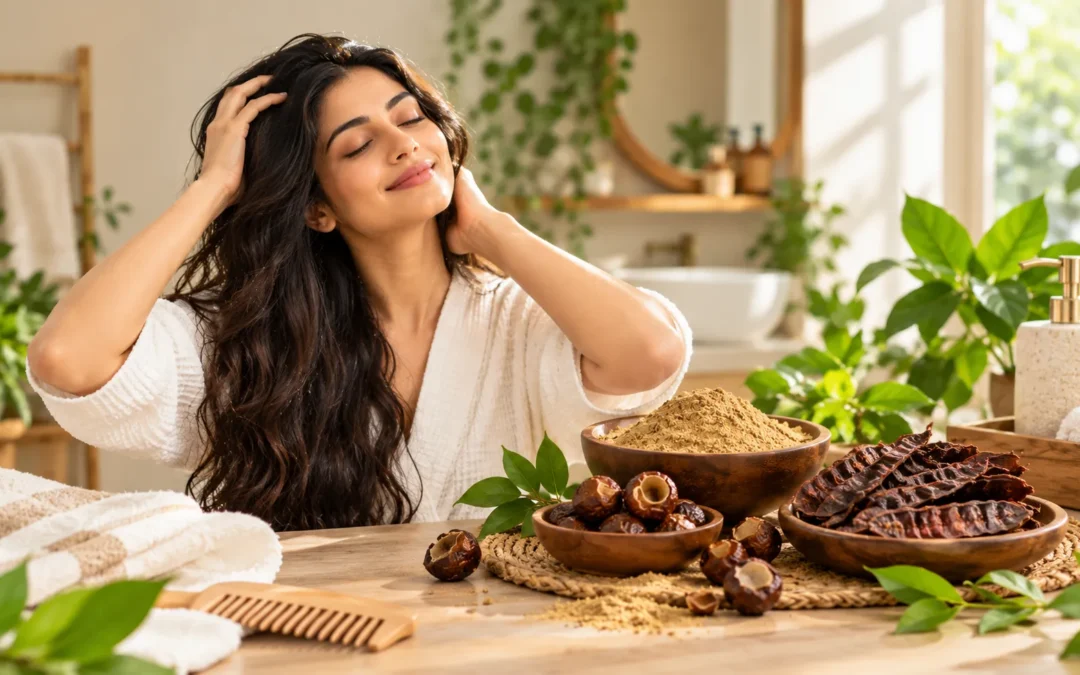
Reetha contains natural saponins that can create a cleansing lather, which explains its traditional use in plant-based hair-washing preparations. You may find it sold as reetha powder.
Shikakai is another familiar ingredient in traditional Indian haircare. Shikakai powder has a history of use in herbal cleansing preparations, although it doesn’t behave exactly like a modern, formulated shampoo.
These ingredients offer a glimpse into how earlier generations approached haircare with fewer specialised products. However, homemade preparations may not suit every scalp or hair type, so follow appropriate instructions and avoid contact with your eyes.
The takeaway isn’t that you should throw away your shampoo. It’s that exploring traditional routines can give you a fresh perspective on your current habits.
The Supporting Cast: Brahmi, Bhringraj and Hibiscus
Amla might be the familiar face, but traditional haircare has an entire supporting cast.
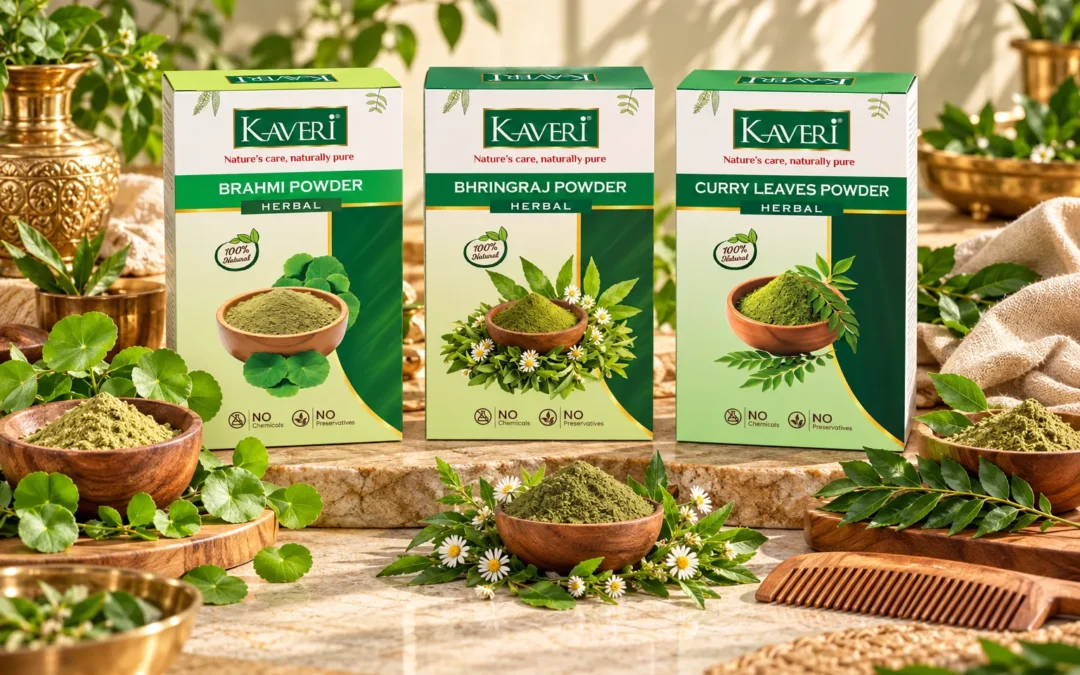
Brahmi powder appears in traditional herbal haircare preparations, while bhringraj powder is another familiar name in Ayurvedic haircare discussions. Both have attracted interest among people exploring botanical routines, although traditional use doesn’t guarantee hair growth or prevent hair loss.
Then there are familiar kitchen ingredients that have found their way into homemade beauty rituals.
Curry leaves powder appears in traditional haircare recipes, while hibiscus powder features in herbal hair preparations. Methi powder, made from fenugreek seeds, is another familiar ingredient used in traditional hair masks.
You may also encounter jatamansi powder when exploring India’s herbal traditions.
Do you need to try every ingredient you discover? Absolutely not. Choose products with a clear purpose, and seek professional advice if you’re experiencing persistent hair loss or scalp problems.
2. Your Grandmother’s Face Pack Was the Original Pre-Party Beauty Ritual
Remember getting ready for a family wedding?
Someone would bring out a bowl of homemade paste, someone else would suggest adding another ingredient, and suddenly the entire family had an opinion about your beauty routine.
You might not have known what was in the bowl, but you knew that the ritual wasn’t optional!
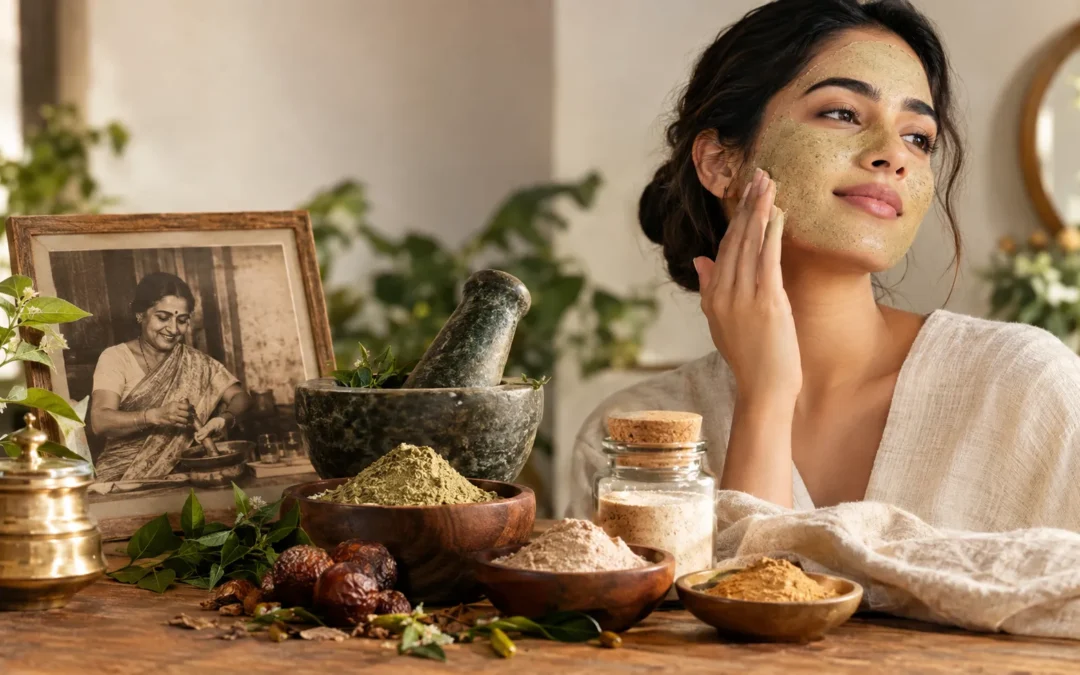
One of the best-known examples is ubtan, a traditional beauty preparation associated with weddings and festive occasions.
Ubtan: From Family Celebrations to Modern Self-Care
Traditional ubtan recipes vary between households and regions. Some combine gram flour, turmeric and other ingredients to create a paste for cosmetic use.
Ubtan powder offers a convenient way to explore this tradition. Prepared according to its instructions, it can become an occasional addition to a heritage-inspired skincare routine.
But let’s be realistic. A traditional face pack isn’t a magic eraser for pigmentation, acne or uneven skin tone.
The modern approach is to appreciate the ritual without expecting overnight transformations. Choose a suitable preparation, avoid aggressive scrubbing and stop using it if your skin becomes irritated.
Sometimes, the best part of an old beauty ritual is simply slowing down and making time for yourself.
Turmeric: The Kitchen Ingredient With a Beauty Backstory
Turmeric needs no introduction in an Indian kitchen. Its place in traditional beauty practices makes it another familiar ingredient worth understanding.
Turmeric powder contains curcumin, a compound studied for various biological properties. However, research on an individual compound doesn’t establish that every homemade preparation delivers a particular skincare benefit.
Turmeric can temporarily stain skin and fabrics, and homemade mixtures may irritate some people.
Before recreating a viral beauty recipe, ask yourself whether the preparation is suitable for your skin. A beautiful golden mixture isn’t automatically a good skincare choice.
Multani Mitti: The Old-School Mask That Still Has a Place
Some ingredients become popular because of clever marketing. Others remain familiar because generations of people have used them.
Multani mitti is commonly used in clay-based cosmetic masks because it can absorb surface oil. It may appeal to people who enjoy occasional clay treatments, particularly those with oily skin.
However, frequent use can leave skin feeling tight or dry, especially if your skin is already sensitive or dehydrated.
The lesson? You don’t need another product simply because it’s trending. Understanding what your skin needs is a much better starting point.
3. The Herbal Ingredients That Deserve More Than a Viral Reel
Not every traditional beauty ingredient has a glamorous origin story. Some were simply familiar plants used in household and herbal preparations.
Today, they’re attracting renewed interest from people curious about traditional Indian practices.
Neem and Tulsi: Familiar Plants, New Questions
Neem has a long history in traditional Indian practices. Neem powder appears in various herbal preparations, including products intended for particular cosmetic uses.
If you’re exploring herbal skincare, check whether a product is specifically intended for facial use. A plant’s traditional reputation doesn’t guarantee that every preparation made from it will suit your skin.
Tulsi is another recognisable household herb. Tulsi powder is associated with traditional herbal practices, but an ingredient’s familiarity doesn’t guarantee that every preparation is suitable for every application.
The modern rule is simple: know what you’re using before deciding where it belongs.
Manjistha and Red Sandalwood: Heritage Meets the Beauty Shelf
Some traditional botanicals have remained part of herbal beauty conversations even as skincare trends have changed around them.
Manjistha powder appears in traditional Ayurvedic preparations, while red sandalwood powder has a history of use in cosmetic recipes.
These ingredients are worth understanding from a cultural and historical perspective. However, traditional use alone doesn’t prove that they can remove dark spots, treat acne or transform skin tone.
If you’re exploring heritage-inspired skincare, focus on product quality, intended use and realistic expectations rather than dramatic promises.
Lemon Peel: When a DIY Beauty Hack Needs a Reality Check
The internet loves an ingredient that promises to do everything.
One minute, it’s in your kitchen. The next, it’s being presented as the secret to brighter, clearer skin.
Lemon peel powder may appear in traditional-inspired face-pack recipes, but citrus-derived ingredients can irritate skin depending on their composition and how they’re used.
Natural doesn’t automatically mean gentle, and homemade doesn’t automatically mean safe.
If your goal is healthier-looking skin, a suitable skincare routine and consistent sun protection are more dependable starting points than experimenting with potentially irritating mixtures.
4. From Grandma’s Kitchen to Gen Z’s Wellness Shelf
Beauty conversations have expanded. Today, people often explore skincare alongside nutrition, lifestyle and wellness.
This has brought renewed attention to ingredients traditionally used in food or herbal preparations. But there’s an important distinction between consuming an ingredient and applying it to your skin or hair.
Moringa: The Plant-Based Ingredient Getting Attention
Moringa has a long history as a food plant and is known for its nutrient content.
Moringa powder is commonly found in food and wellness products. Its popularity reflects a broader interest in botanical ingredients, although nutritional research doesn’t automatically establish that applying the same ingredient to your face or scalp will deliver a particular cosmetic result.
Before adding a product to your routine, check whether it’s intended for the application you’re considering.
Mulethi: An Old Ingredient With a Modern Skincare Conversation
You might recognise mulethi from traditional herbal preparations, even if you’ve never looked for it in a beauty product.
Mulethi powder is associated with traditional practices. Certain licorice-derived compounds have been studied for potential cosmetic applications, but their effects depend on the compound, concentration and formulation.
That distinction matters. A properly formulated cosmetic product isn’t necessarily equivalent to a homemade mixture containing an unknown amount of a powdered ingredient.
Ashwagandha and Aloe Vera: Two Different Stories
Ashwagandha has a long history in Ayurvedic wellness traditions. Ashwagandha powder is found in traditional preparations and wellness products.
If you’re considering taking it as a supplement, seek medical advice first, particularly if you take medication, have a health condition or are pregnant. It can interact with medicines and isn’t suitable for everyone.
Aloe vera, meanwhile, is widely used in personal-care formulations. Aloe vera powder differs from fresh aloe gel, and its properties depend on how it has been processed and formulated.
Both ingredients illustrate an important point: being botanical doesn’t automatically mean being interchangeable or suitable for every use.
5. When Traditional Beauty Meets Hair Colour Experiments
Beauty traditions aren’t limited to cleansing and face masks. Some plant-derived ingredients also have a history in colouring practices.
Indigo: A Different Route to Hair Colour
Indigo has a long history as a plant-based dye and is used in certain traditional hair-colouring systems.
Indigo powder is a general name for the ingredient. If you’re considering it for hair colouring, remember that the outcome depends on your starting hair colour, the formulation and the application process.
Indigo is sometimes used with henna in traditional colouring routines, but results can vary. Follow product instructions, perform the recommended allergy test and avoid products with undisclosed ingredients.
Beetroot: When Colour Inspires Curiosity
Beetroot is famous for its deep colour, making it an interesting ingredient in food and cosmetic experimentation.
Beetroot powder is used in culinary preparations and may feature in DIY beauty recipes. However, natural colour alone doesn’t establish that an ingredient is effective for treating skin concerns.
If you’re curious about botanical pigments, check whether the product is intended for topical use and consider the possibility of staining or irritation.
6. The Lesser-Known Names Behind India’s Botanical Heritage
Just when you think you’ve heard of every traditional ingredient, another name appears.
Katha powder is a plant-derived material used in traditional contexts. Its historical use doesn’t make it suitable for every cosmetic preparation.
Nagarmotha powder is another botanical associated with traditional herbal practices. Similarly, arjun chaal powder is connected with Ayurvedic traditions.
You may also encounter bael leaf powder when exploring traditional Indian botanicals.
These ingredients reveal how diverse India’s plant heritage is. But rediscovering an ingredient doesn’t mean you need to use it.
Sometimes, learning the story behind a traditional ingredient is interesting enough on its own.
7. Want to Try Grandma’s Beauty Rituals? Read This Before You Mix Anything
It’s easy to get carried away when every other beauty reel introduces a new ingredient.
Before turning your bathroom into a DIY laboratory, remember a few basics.
- Start with one new product. Combining several unfamiliar ingredients makes it harder to identify the cause if irritation occurs.
- Read the label. Check the complete ingredient list, intended use and preparation instructions. Natural and organic labels don’t guarantee suitability for everyone.
- Patch-test appropriately. Follow the manufacturer’s guidance and stop using a product if you experience burning, itching, swelling or persistent redness.
- Keep your everyday essentials. Traditional face packs and hair masks are optional additions, not substitutes for a gentle cleanser, moisturiser, broad-spectrum sunscreen or appropriate treatment when needed.
- Be sceptical of overnight promises. No homemade powder can guarantee instant radiance, eliminate acne or reverse hair loss.
- Know when to ask a professional. Persistent acne, unusual hair loss or ongoing scalp irritation may require qualified medical advice.
The goal isn’t to recreate your grandmother’s entire beauty cupboard. It’s to discover what interests you, understand what you’re using and make choices that suit your needs.
8. So, Why Is Gen Z Looking Back at Grandma’s Beauty Secrets?
Here’s the real plot twist: this isn’t simply a nostalgia trend.
Gen Z has grown up surrounded by beauty recommendations. Every scroll introduces another product, another routine and another claim about what your skin or hair needs.
Traditional beauty rituals offer a different starting point. They encourage people to explore familiar ingredients, learn about cultural practices and think more carefully about the products they use.
For some, it’s a connection to family memories. For others, it’s the appeal of discovering botanical ingredients or creating a more personal self-care routine.
But the modern version comes with a new expectation: people want to ask questions.
Does the ingredient have evidence supporting the claimed benefit? Is the product suitable for my skin? Is the formulation appropriate for its intended use?
Those questions don’t take anything away from tradition. They help people engage with it more thoughtfully.
And that’s what makes the grandmother-to-Gen-Z beauty pipeline more interesting than another passing trend.
The Final Takeaway: Grandma Had the Ritual. Gen Z Is Giving It a Second Look.
The next time someone presents a traditional beauty ingredient as the latest discovery, remember that its story may go back generations.
From herbal haircare to heritage-inspired skincare, India’s beauty traditions offer plenty to explore. Their renewed popularity is an opportunity to learn about ingredients, appreciate their cultural significance and adapt selected rituals to modern life.
But you don’t need to follow every trend, recreate every recipe or believe every claim.
Keep the curiosity. Respect the tradition. Question the promises.
Because the best beauty routine isn’t the one that follows every trend. It’s the one that knows what deserves a place in your life—and what is better left on the internet.