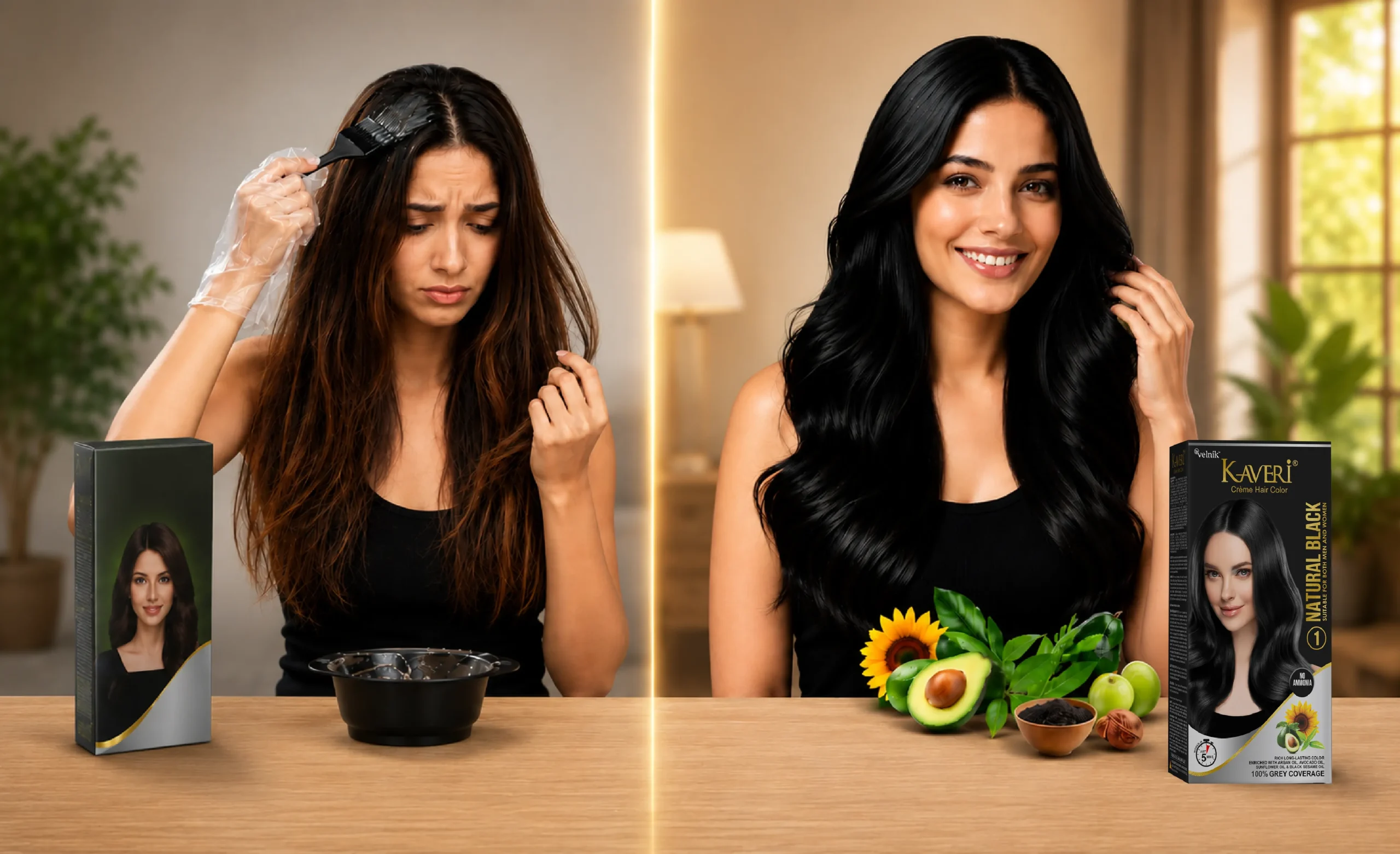
Freshly coloured hair has a unique way of boosting confidence. Whether you’re covering grey strands, enhancing your natural shade or trying a completely new look, vibrant hair colour can transform your overall appearance.
But for many people, that excitement doesn’t last long.
The colour begins to lose its richness, shine fades and grey roots become visible sooner than expected. Some people assume the product wasn’t good enough, while others believe frequent colouring is the only solution.
In reality, hair colour rarely fades because of a single reason.
The way you prepare your hair, the colouring method you choose and your everyday hair care routine all influence how long your colour stays vibrant. Even small habits like washing with hot water, spending long hours in the sun or using unsuitable hair products can gradually reduce colour intensity.
The good news is that most of these problems can be avoided.
By understanding why hair colour fades and adopting a smarter approach to colouring and aftercare, you can enjoy healthier-looking hair and longer-lasting results without unnecessary touch-ups.
In this guide, we’ll explore the most common reasons hair colour doesn’t last, explain how different colouring methods suit different hair needs and share practical tips to help you maintain beautiful colour for longer.
Hair colour usually fades because of repeated washing, excessive heat styling, UV exposure, environmental factors and choosing a colouring method that doesn’t match your hair type. Long-lasting colour depends on selecting the right product, preparing your hair properly and following a consistent aftercare routine.
Why Does Hair Colour Fade Faster Than Expected?
Many people believe hair colour should remain vibrant until new hair grows.
However, coloured hair changes every day.
Every shampoo, every styling session and every hour spent outdoors slowly affects the colour pigments inside the hair shaft. While gradual fading is completely normal, rapid colour loss often indicates that something in your routine needs attention.
Hair colour longevity is influenced by several factors working together:
- Hair condition before colouring.
- The colouring method you choose.
- Hair washing habits.
- Heat styling frequency.
- Sun exposure.
- Product selection after colouring.
Improving even a few of these areas can significantly extend the life of your hair colour.
The Biggest Mistake Most People Make Before Colouring Their Hair
One of the biggest mistakes isn’t choosing the wrong shade.
It’s colouring hair without understanding its condition.
Healthy hair behaves very differently from dry, chemically treated or damaged hair.
Before colouring, ask yourself:
- Is my hair naturally dry?
- Has it been coloured before?
- Do I frequently use straighteners or curling tools?
- Am I trying to cover grey hair?
- Do I prefer plant-based colouring or modern formulations?
The answers help determine which colouring approach is most suitable.
For example, someone looking for naturally inspired colouring may prefer an Organic Henna Powder, while another person looking for quick application and consistent coverage may choose a creme hair color.
Choosing the right colouring solution begins with understanding your hair—not simply choosing a colour you like.
Expert Insight from Velnik
One of the most common patterns we observe is that people spend a lot of time selecting a hair colour but very little time preparing their hair beforehand.
Hair that is well-conditioned and properly cared for generally accepts colour more evenly and retains it for longer. Preparing your hair before colouring is just as important as choosing the product itself.
Common Reasons Your Hair Colour Doesn’t Last
Hair colour usually fades because of several everyday habits rather than one major mistake.
Understanding these habits helps you make better decisions that support healthier-looking, longer-lasting colour.
1. Washing Your Hair Too Often
Every wash removes a small amount of colour from the hair.
Frequent washing, particularly with harsh cleansers, can reduce colour vibrancy much sooner than expected.
Using a gentle hair color shampoo formulated for colour-treated hair helps cleanse effectively while supporting colour retention.
2. Excessive Heat Styling
Hair dryers, straighteners and curling irons expose hair to repeated high temperatures.
Over time, excessive heat may weaken the hair cuticle, allowing colour pigments to fade more quickly.
Reducing unnecessary heat and using protective styling habits helps maintain both hair health and colour.
3. Sunlight and Environmental Exposure
Most people protect their skin from UV rays but forget that sunlight also affects coloured hair.
Long periods outdoors may gradually reduce colour intensity while making hair appear dull.
Protecting your hair from prolonged sun exposure is an often-overlooked step in maintaining vibrant colour.
4. Choosing the Wrong Colouring Method
Not every colouring product suits every person.
Some people prefer traditional colouring methods such as a mehendi cone or henna paste for hair, while others choose modern options like gel hair color for easier application.
The best colouring method depends on your hair type, lifestyle and maintenance preferences—not current trends.
Which Hair Colour Solution Matches Your Lifestyle?
There is no single “best” hair colouring solution.
The right choice depends on your expectations, hair condition and the amount of maintenance you’re comfortable with.
| Hair Colour Option | Best For |
| Organic Henna Powder | Plant-based colouring and natural care |
| gel hair color | Easy home application and even coverage |
| creme hair color | Convenient colouring with smooth application |
| mehendi cone | Traditional colouring and artistic application |
Rather than following trends, choose the colouring method that aligns with your long-term hair care goals.
Natural vs Modern Hair Colour: Which One Should You Choose?
Today’s hair colouring options offer something for everyone.
People looking for traditional botanical colouring often choose products like henna cone because they prefer plant-inspired solutions.
Others may prefer a natural black hair dye or modern formulations that provide broader shade options and quicker application.
Neither approach is universally better.
The right choice depends on your lifestyle, maintenance routine and the results you expect from your colouring experience.
Signs Your Hair Needs Care Before Another Colour Application
Sometimes the issue isn’t your hair colour.
It’s the condition of your hair itself.
Watch for these signs:
- Hair feels rough or dry.
- Colour fades unevenly.
- Hair lacks shine.
- Ends become brittle.
- Colour appears dull after only a few washes.
Improving your hair’s overall health before colouring often produces better, longer-lasting results than colouring more frequently.
Quick Checklist Before Colouring Your Hair
Before applying colour, ask yourself:
✔ Is my hair healthy enough for colouring?
✔ Have I chosen the right colouring method?
✔ Do I understand how much maintenance my chosen colour requires?
✔ Am I using suitable products for colour-treated hair?
✔ Do I have a simple aftercare routine planned?
Spending a little time preparing before colouring often makes a noticeable difference afterwards.
Understand Your Hair Before Choosing a Hair Colour
One of the biggest misconceptions about hair colouring is that the same product will give everyone the same results.
In reality, your hair’s natural texture, condition and previous colouring history play a significant role in how well the colour develops and how long it lasts.
For example, healthy hair with a smooth cuticle generally absorbs colour more evenly than hair that has become dry from repeated heat styling or frequent chemical treatments.
Instead of asking, “Which hair colour is the best?”, ask:
- What is my current hair condition?
- Am I colouring my hair for the first time?
- Am I covering grey hair?
- How much maintenance can I realistically manage?
Answering these questions first helps you choose a colouring solution that fits your lifestyle rather than simply following trends.
Expert Insight from Velnik
One of the most common reasons people feel disappointed with their hair colour isn’t the product—it is choosing a colouring method that doesn’t suit their hair type or daily routine.
Long-lasting colour begins with understanding your hair, not just selecting a shade.
Choosing the Right Hair Colour Solution
Different colouring solutions are designed for different preferences and hair goals.
Rather than comparing products only by popularity, consider how each option fits your expectations.
Traditional Botanical Colouring
Many people who prefer plant-inspired colouring choose a mehendi cone for traditional applications or henna paste for hair when looking for a more natural colouring routine.
These options remain popular among individuals who appreciate botanical ingredients and gradual colour development.
Modern Hair Colour Solutions
People looking for faster application and broader shade choices often prefer gel hair color because of its smooth application and easy coverage.
Others choose cream hair color, which is widely appreciated for its rich consistency and convenient home application.
The best solution is the one that matches your hair type, maintenance preferences and colouring goals.
Why Hair Type Affects Colour Longevity
Hair colour doesn’t fade at the same rate for everyone.
Several characteristics influence how well your hair retains colour.
Hair Porosity
Hair with higher porosity tends to absorb colour quickly but may also lose it faster.
Lower-porosity hair usually retains colour more evenly but may require additional preparation before colouring.
Hair Health
Dry or damaged hair often struggles to hold colour consistently.
Maintaining healthy-looking hair before colouring creates a stronger foundation for long-lasting results.
Previous Colour Treatments
Previously coloured or chemically treated hair may respond differently from untreated hair.
Understanding your colouring history helps you make better product choices.
Hair Colour Isn’t Complete Without Proper Aftercare
Colouring your hair is only the beginning.
The habits you follow afterwards have a significant influence on how long your colour remains vibrant.
Wash Hair Gently
Frequent washing gradually removes colour pigments.
Using a mild hair color shampoo specifically developed for colour-treated hair helps cleanse while supporting colour longevity.
Keep Hair Hydrated
Colour-treated hair benefits from regular conditioning.
Hydrated hair generally feels smoother, reflects light better and maintains a healthier appearance.
Reduce Excessive Heat Styling
Straighteners, curling tools and high-temperature dryers expose coloured hair to repeated stress.
Whenever possible:
- Allow hair to air dry.
- Use lower heat settings.
- Apply heat protection before styling.
These simple habits can help preserve both hair health and colour.
Protect Hair from Environmental Exposure
Daily exposure to sunlight, pollution and harsh weather conditions can gradually reduce colour intensity.
Wearing a hat during prolonged sun exposure or using protective hair products can help minimise unnecessary fading.
Choosing Hair Colour Based on Your Needs
Every person’s colouring goals are different.
The right product depends on what you want to achieve.
| Your Goal | Recommended Option |
| Prefer botanical colouring | Organic Henna Powder |
| Cover grey hair naturally | natural black hair dye |
| Quick home colouring | gel hair color |
| Smooth and even application | creme hair color |
| Facial hair grooming | beard hair color |
There isn’t one perfect solution for everyone.
Choosing the option that suits your lifestyle usually produces the best long-term experience.
Should Men Use a Separate Beard Colour?
Yes.
Facial hair differs from scalp hair in both texture and growth pattern.
Using a dedicated beard hair color is often more suitable because it is designed specifically for facial hair application.
Choosing products developed for their intended purpose improves both convenience and overall results.
Common Hair Colour Mistakes That Reduce Colour Life
Many people unknowingly shorten the life of their hair colour through everyday habits.
Some of the most common mistakes include:
- Colouring already damaged hair.
- Washing hair immediately after colouring.
- Frequently changing colouring products.
- Ignoring aftercare.
- Using harsh shampoos.
- Excessive heat styling.
- Skipping regular conditioning.
Avoiding these habits helps maintain healthier-looking hair while supporting longer-lasting colour.
Quick Comparison: Which Hair Colour Solution Fits Your Lifestyle?
| Lifestyle | Suitable Choice |
| Prefer traditional botanical colouring | henna cone |
| Want plant-inspired colouring | Organic Henna Powder |
| Easy home colouring | gel hair color |
| Rich and even application | creme hair color |
| Natural grey coverage | natural black hair dye |
| Facial hair grooming | beard hair color |
The best colouring method isn’t determined by popularity—it depends on your hair goals, routine and maintenance preferences.
Smart Habits That Help Hair Colour Last Longer
Long-lasting colour is usually the result of consistent care rather than frequent recolouring.
Simple habits include:
- Wash hair only when necessary.
- Use lukewarm water instead of hot water.
- Condition regularly.
- Reduce unnecessary heat exposure.
- Protect hair outdoors.
- Follow the product instructions carefully.
Small improvements in your daily routine can make a noticeable difference to how long your colour stays vibrant.
Hair Colour Myths You Should Stop Believing
There is no shortage of advice about hair colouring, but not all of it is accurate. Following common myths can lead to disappointment, faster colour fading and unnecessary damage.
Understanding the facts helps you make informed decisions and maintain healthier-looking hair.
Myth 1: Hair Colour Always Fades Because of Poor Product Quality
Reality
Hair colour longevity depends on much more than the colouring product. Hair condition, washing habits, heat styling, environmental exposure and aftercare all influence how long the colour stays vibrant.
Myth 2: Colouring Your Hair More Frequently Solves Fading
Reality
Applying colour repeatedly without improving your hair care routine doesn’t address the real cause of fading. Healthy hair and consistent maintenance usually produce better long-term results than frequent recolouring.
Myth 3: All Hair Colour Products Deliver the Same Results
Reality
Different colouring methods are designed for different needs. Your choice should depend on your hair type, lifestyle and maintenance preferences rather than popularity alone.
Myth 4: Natural Hair Colouring Doesn’t Need Aftercare
Reality
Whether you choose botanical or modern colouring solutions, regular cleansing, conditioning and protection from heat and sunlight help maintain healthier-looking hair and better colour retention.
Frequently Asked Questions
Why does my hair colour fade after only a few washes?
Hair colour can fade quickly because of frequent washing, excessive heat styling, prolonged sun exposure, harsh cleansing products or colouring hair that is already dry or damaged. Improving your aftercare routine often makes a noticeable difference.
How can I make my hair colour last longer?
You can help maintain colour by:
- Washing your hair with lukewarm water.
- Using a gentle hair color shampoo.
- Conditioning regularly.
- Limiting unnecessary heat styling.
- Protecting your hair from excessive sunlight.
- Following the recommended care instructions for your colouring product.
Should I choose botanical or modern hair colouring?
There isn’t a single answer for everyone.
People who appreciate plant-inspired colouring often choose Organic Henna Powder or a henna cone, while others prefer modern formulations that offer quicker application and a wider range of shades.
The best option depends on your hair goals, maintenance preferences and desired finish.
Is natural black hair dye suitable for covering grey hair?
Many people choose natural black hair dye when looking for a darker shade that complements their natural hair colour. The most suitable product depends on your hair condition, colouring history and personal preferences.
Can I use the same colouring product on my beard?
Facial hair differs from scalp hair in texture and density.
Using a dedicated beard hair color can provide more appropriate application and more even coverage for facial hair.
Build a Hair Colour Routine That Supports Long-Lasting Results
Hair colour doesn’t stay vibrant by chance.
Long-lasting results come from building simple, consistent habits that protect both your hair and the colour itself.
Before Colouring
- Understand your hair type and condition.
- Choose a colouring method that matches your lifestyle.
- Avoid colouring excessively damaged hair.
- Read product instructions carefully before application.
During Colouring
- Apply colour evenly.
- Follow the recommended processing time.
- Avoid extending application time unnecessarily.
After Colouring
- Cleanse gently.
- Condition regularly.
- Protect hair from excessive heat.
- Minimise prolonged sun exposure.
- Maintain a consistent hair care routine.
These everyday habits help preserve both colour vibrancy and overall hair health.
Expert Recommendations for Healthier Hair Colour
Professional-looking hair colour is the result of informed decisions rather than frequent colouring.
Experts generally recommend:
- Selecting colouring methods based on your hair type rather than trends.
- Preparing your hair before every colouring session.
- Using products designed for colour-treated hair.
- Avoiding unnecessary chemical treatments close together.
- Following a regular conditioning routine to support healthy-looking hair.
Small improvements in your routine often produce better long-term results than changing colouring products repeatedly.
Key Takeaways
- Hair colour longevity depends on both colouring technique and everyday hair care.
- Healthy hair provides a stronger foundation for vibrant, even-looking colour.
- Choosing the right colouring method is more important than following trends.
- Regular conditioning and gentle cleansing help maintain colour intensity.
- Heat styling, harsh shampoos and UV exposure can gradually reduce colour vibrancy.
- Consistent aftercare supports healthier-looking hair and longer-lasting colour.
Final Thoughts
Beautiful hair colour is about more than choosing the perfect shade.
It starts with understanding your hair, selecting a colouring solution that matches your needs and building habits that protect your results over time.
Whether you prefer traditional botanical colouring or modern hair colour formulations, lasting results depend on preparation, proper application and consistent aftercare.
Instead of looking for quick fixes, focus on caring for your hair every day. Healthy hair is more likely to retain colour evenly, maintain its natural shine and continue looking vibrant between colouring sessions.
Making smarter choices today can help you enjoy healthier, longer-lasting hair colour with greater confidence.