
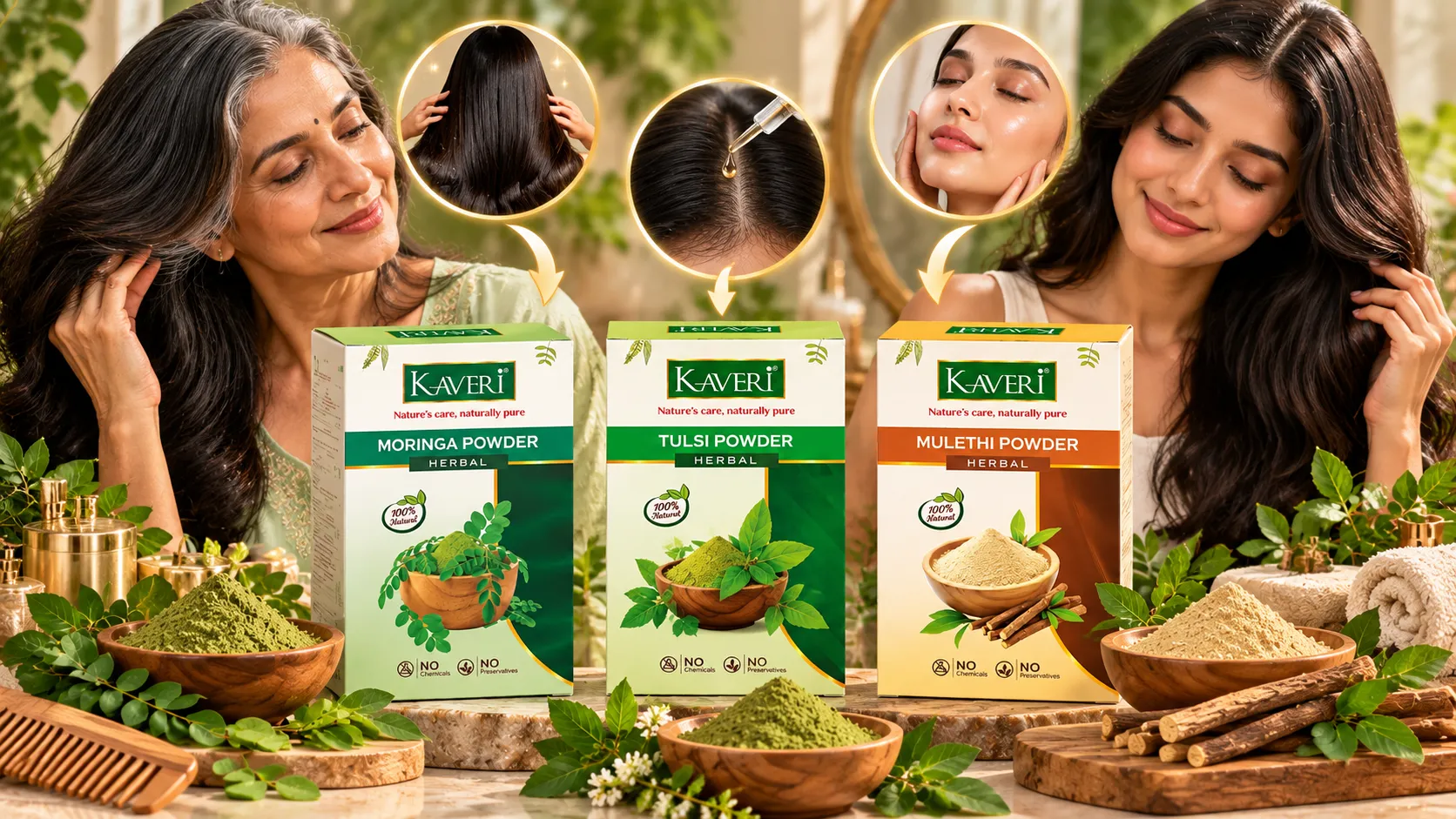
Be honest. How many beauty products are sitting on your shelf right now that you haven’t touched in weeks?
Maybe there’s a serum you bought after watching a glowing review. A face mask that promised a spa-like experience at home. Or that one product you were absolutely convinced would transform your routine, until something newer caught your attention.
You probably didn’t buy these products planning to abandon them. At the time, each purchase felt exciting, useful, or full of potential.
So why does the cycle keep repeating?
The answer isn’t always that we need better products. Sometimes, it’s about how our brains respond to novelty, advertising, social media, and the idea of becoming a better version of ourselves.
Our beauty shelves don’t just hold products. They hold expectations, experiments, and little promises we made to ourselves.
Let’s explore why we keep buying beauty products we barely use, what makes certain ingredients so tempting, and how we can make our next purchase a little more intentional.
1. The Excitement of Buying Can Be Stronger Than the Habit of Using
Think about the last time you ordered a beauty product online. There was probably a moment of excitement when you placed the order, another when the package arrived, and perhaps another when you added it to your shelf.
But what happened after that?
The excitement may have faded, and using the product gradually became another task in an already busy day.
This happens because shopping and maintaining a routine are two very different experiences. Buying something new offers immediate anticipation, while seeing whether it fits into your daily life takes time and consistency.
A product can feel exciting on Monday and completely forgettable by Friday.
That doesn’t mean every purchase was a mistake. It simply means that the excitement of owning something new doesn’t always translate into the habit of using it.
Before your next purchase, ask yourself one question: Am I excited about using this product, or am I excited about buying it?
The answer might surprise you.
2. When Your Bathroom Shelf Becomes a Collection of Aspirations
Sometimes, we don’t buy a beauty product just for what it does. We buy it for what we imagine it might help us become.
The serum represents clearer-looking skin. The hair mask represents the perfect hair day. The carefully curated collection of products represents a version of ourselves who always has time for self-care.
Psychologists sometimes describe this broader pattern as aspirational consumption: purchasing something connected to the person we want to be.
There’s nothing wrong with wanting to look after yourself. The trouble begins when buying the product starts to feel like we’ve already taken the step towards our goal.
We buy the moisturiser, but never establish a consistent skincare routine. We collect hair-care products, but keep postponing wash day. We purchase another mask, even though the last one is still sitting unopened.
The shelf gradually fills with good intentions.
A useful way to break this pattern is to connect every purchase to a realistic habit. Instead of asking whether a product fits your ideal routine, ask whether it fits the routine you can actually maintain.
Self-care should support your life, not become a collection of unfinished plans.
3. The “Maybe This Is the One” Effect
You’ve tried several products, but the results weren’t quite what you expected. Then you discover something new, and suddenly you’re hopeful again.
Maybe this formula will work better. Maybe this ingredient is what your routine has been missing. Maybe this product will finally deliver the experience you’ve been looking for.
That feeling is powerful because every new product creates an opportunity to start again.
Beauty marketing often reinforces this hope through transformation stories, glowing testimonials, before-and-after visuals, and promises of impressive results. These messages can make the next purchase seem more appealing than patiently evaluating what we already use.
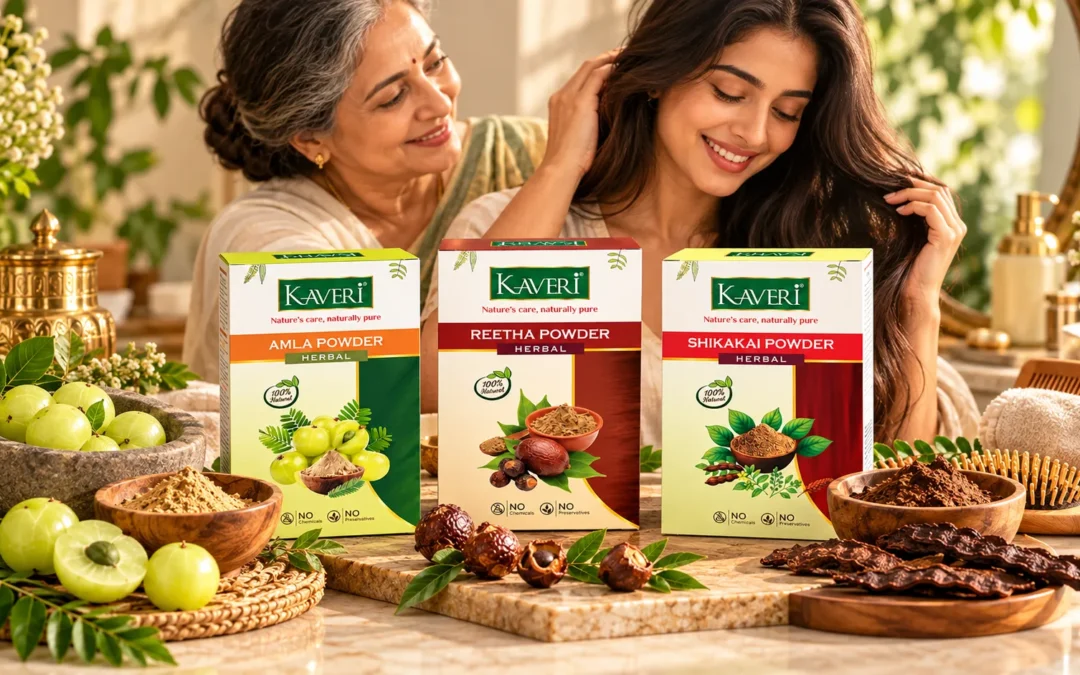
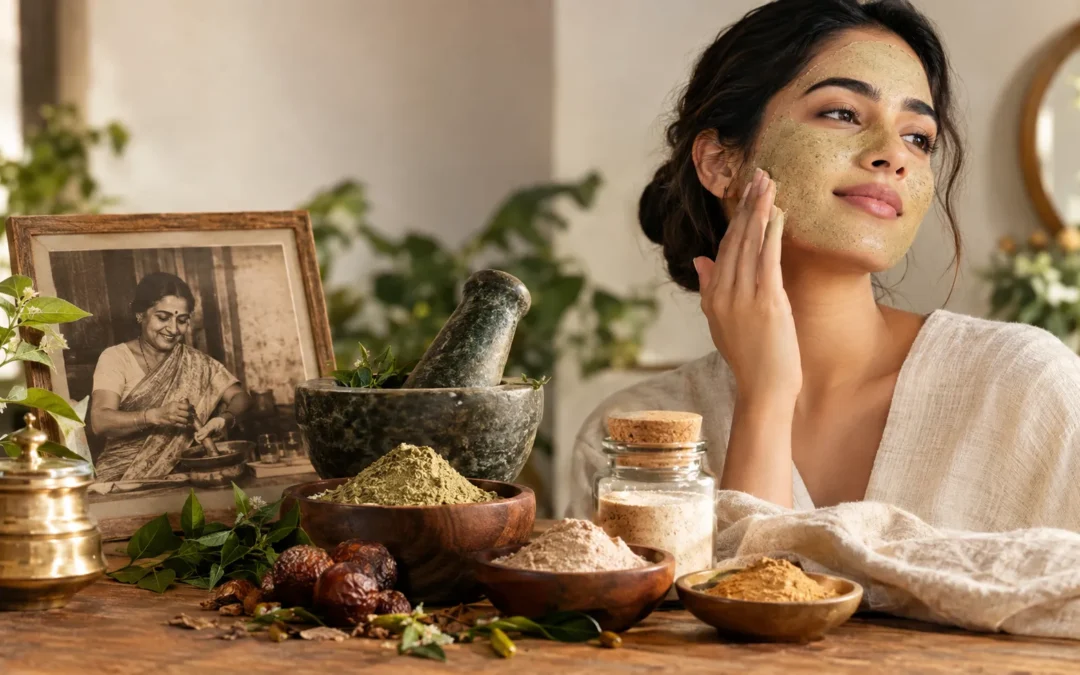
Traditional ingredients can inspire the same curiosity. For example, amla powder has a long association with traditional hair-care practices, while moringa powder is one of the plant-derived ingredients people may encounter when exploring botanical formulations.
Discovering an ingredient can be interesting, but curiosity alone isn’t a reason to buy it.
Before adding something new, identify what you want from it, check whether the product is suitable for that purpose, and understand what results are realistically supported.
You don’t need to find the next miracle ingredient. You need to understand whether the product in front of you makes sense for your needs.
4. Social Media Has Turned Beauty Shopping Into a Never-Ending Discovery Game
One of the reasons beauty shopping feels so tempting today is that we’re constantly being introduced to something new.
A creator shares a morning routine. Another reveals a shelf full of favourites. A third introduces an ingredient you’ve never heard of.
Even when you weren’t looking for a product, you suddenly have a reason to consider one.
This constant exposure can make perfectly good routines feel incomplete. You may start wondering whether your current products are outdated or whether you’re missing an essential step.
Traditional botanical ingredients can become part of this discovery cycle, too. Tulsi powder, mulethi powder, and neem powder for face are examples of ingredients that may catch the attention of people exploring traditional beauty preparations.
The important distinction is between discovering something and needing to own it.
Save the information. Research the ingredient. Consider whether it addresses a genuine need. You don’t have to turn every interesting discovery into an online order.
Your routine doesn’t need to keep up with your feed.
5. Why Ingredient Names Make Products Feel More Tempting
Have you ever read a product label filled with unfamiliar botanical names and felt that the formula must be especially sophisticated?
Ingredient names can influence how we perceive a product. Words such as botanical, herbal, and natural may create positive associations before we’ve examined the formulation itself.
That doesn’t mean these ingredients have no value. It means our first impression isn’t the same as an informed assessment.
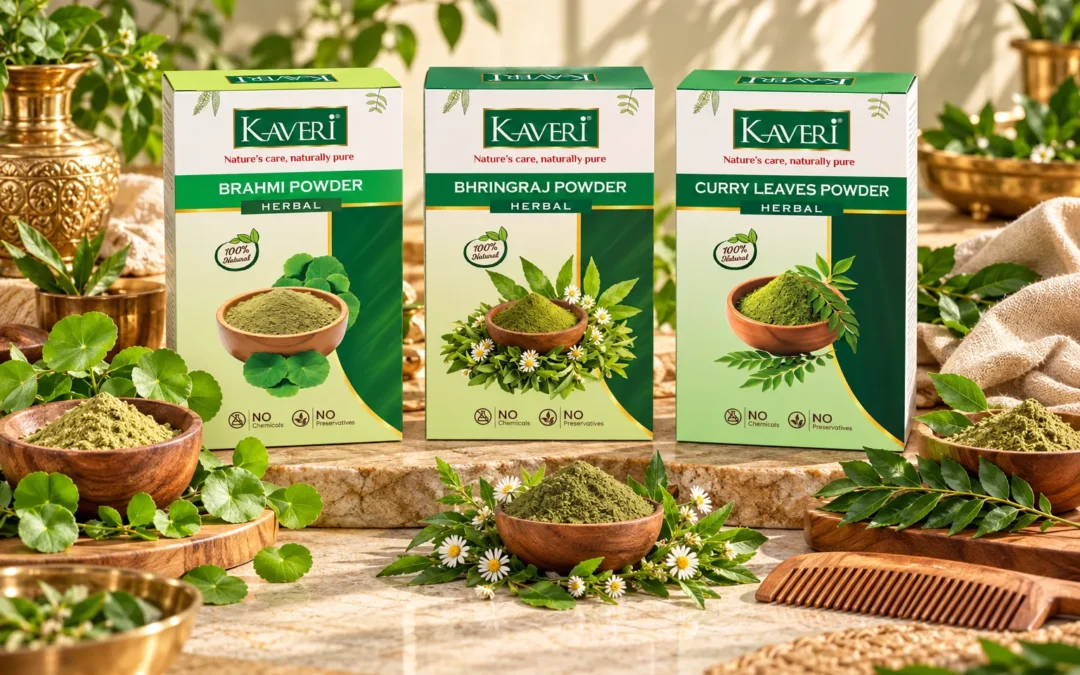
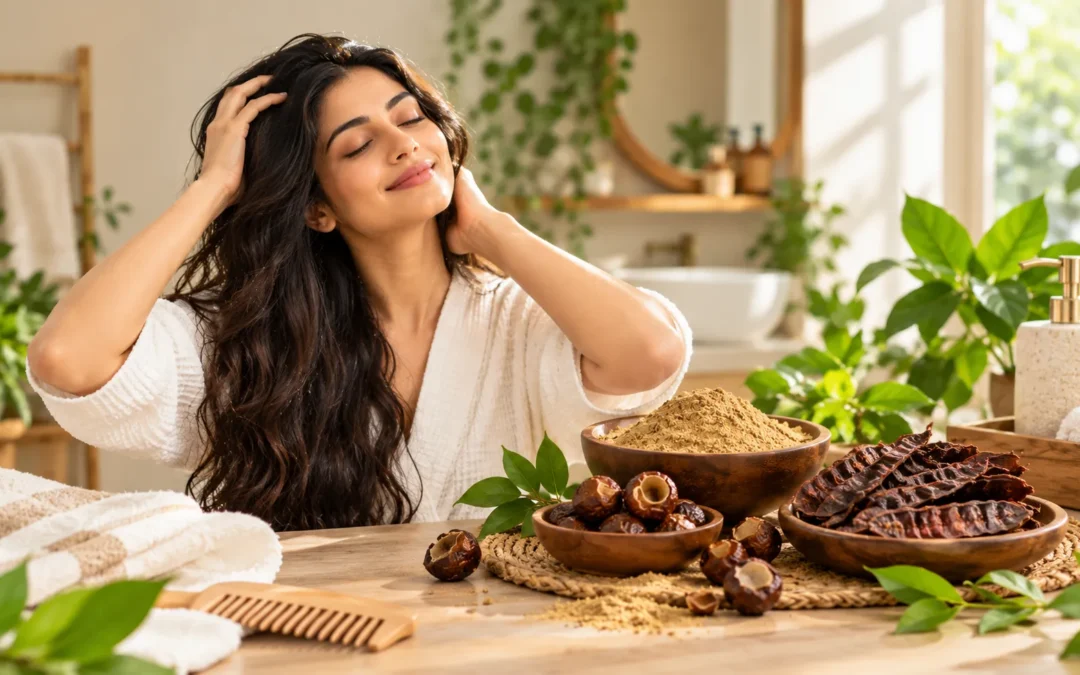
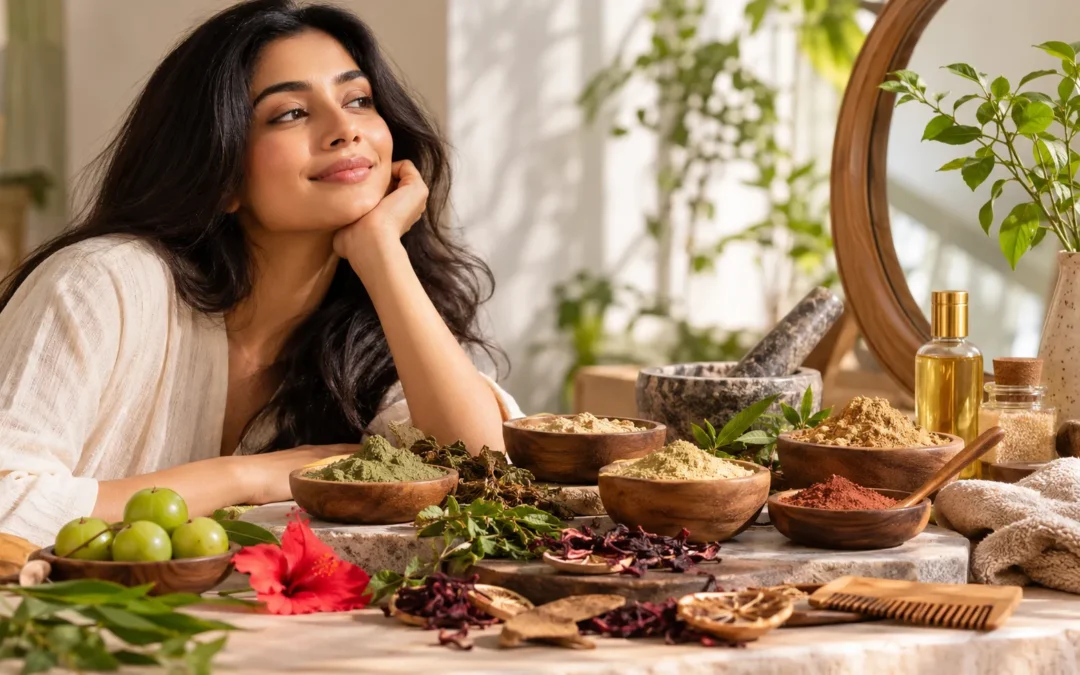
For example, reetha powder and shikakai powder are associated with traditional hair-cleansing practices. Brahmi powder and bhringraj powder are also familiar in traditional herbal hair care.
On the skin-care side, ubtan powder has a place in traditional beauty rituals, while turmeric powder is widely recognised in household preparations. Multani mitti is another familiar ingredient in traditional skin care.
These ingredients can be worth learning about, but their traditional use doesn’t automatically establish that a particular product will deliver a specific result.
A better buying habit is to look beyond the name. Check the intended use, complete formulation, directions, and available evidence for the claims being made.
The more you understand what you’re buying, the less likely you are to buy something simply because its label sounds appealing.
6. The Sunk-Cost Trap: Why We Keep Products We Never Use
The psychology of beauty shopping doesn’t stop when the package arrives.
Sometimes, it begins again.
You’ve spent money on a product, so you feel that you should finish it. Even if you don’t enjoy using it, you keep it on the shelf because throwing it away feels wasteful.
Then, because the product is still there, you feel guilty about buying another one. Eventually, you purchase something new anyway, and the cycle continues.
This is related to the sunk-cost effect: the tendency to let resources we’ve already invested influence our future decisions, even when those resources can’t be recovered.
The solution isn’t to become careless about money. It’s to make decisions based on what is useful now.
If a product is suitable and safe to use, you might give it a fair chance within its directions. If it consistently causes irritation, discontinue use. If it doesn’t suit your needs, recognise that buying it was a learning experience rather than a reason to keep forcing it into your routine.
Your shelf doesn’t have to become a monument to every purchase you’ve ever made.
7. When Beauty Becomes a Hobby, the Products Can Multiply
For some people, exploring beauty is genuinely enjoyable. Learning about ingredients, comparing formulations, and trying different routines can feel like a hobby.
And hobbies naturally involve curiosity.
You might discover hibiscus powder while researching traditional hair-care preparations, or encounter methi powder when learning about botanical ingredients. Curry leaves powder for hair may also appear during that exploration.
Someone interested in skin-care traditions might come across manjistha powder, lemon peel powder, or red sandalwood powder.
There’s nothing wrong with enjoying this process. The problem is when the pleasure of discovering products quietly turns into pressure to purchase every one of them.
You can enjoy learning about beauty without owning every ingredient you read about. You can compare products without ordering them. You can even decide that your existing routine is already doing what you need.
Being interested in beauty doesn’t have to mean constantly buying beauty products.
Sometimes, research itself can be the hobby.
8. How to Stop Buying Products You Barely Use
You don’t need to stop enjoying beauty shopping. You just need a better way to decide what deserves your money, time, and shelf space.
Here are five practical changes to try.
Start with what you already own. Before purchasing something new, check whether you have an existing product that serves the same purpose.
Use a waiting period. If something catches your eye, save it to a wishlist instead of buying it immediately. Revisit it after a few days and see whether you still want it.
Identify the actual need. Are you replacing an empty essential, addressing a specific concern, or simply responding to a persuasive advertisement?
Introduce products gradually. Adding several new products at once makes it harder to assess which ones suit you. Keep your routine manageable and follow each product’s directions.
Track what you genuinely use. Pay attention to the products you reach for regularly. Your habits can tell you more about your real needs than a long wishlist can.
If you’re curious about traditional botanicals, research them before purchasing. Aloe vera powder, moringa leaf powder, and bael leaf powder are examples of ingredients you may encounter while exploring plant-derived preparations. Learn about their intended applications and the finished product’s formulation rather than assuming that every ingredient belongs in your routine.
Remember that natural ingredients can still cause reactions, and a product’s suitability depends on how it’s formulated and used.
The aim isn’t to buy nothing. It’s to buy with a reason.
9. Build a Beauty Shelf That Reflects Your Real Life
Imagine opening your bathroom cabinet and seeing products you actually enjoy using.
You know what each one does. You understand why it’s there. Your routine feels manageable, and you aren’t constantly wondering whether you need another product to complete it.
That is a more useful goal than having the biggest collection.
For skin, focus on the basics: gentle cleansing, moisturising, and daily sun protection. For hair, prioritise appropriate cleansing, conditioning, and habits that minimise unnecessary damage.
If you choose to explore traditional ingredients, treat that exploration as a thoughtful addition rather than a requirement. Katha powder, jatamansi powder, and nagarmotha powder are examples of botanicals that may come up during ingredient research, but their presence in a product doesn’t automatically make it essential.
Other ingredients, such as aloe vera powder, can be explored in the context of products formulated for specific uses. Always consider the finished product rather than judging it by one ingredient alone.
The best beauty shelf isn’t necessarily minimal or elaborate. It’s one that makes sense for the person using it.
Final Thoughts: Maybe You Don’t Need Another Product After All
The next time you feel tempted by a new beauty launch, pause for a moment.
Ask yourself what attracted you to it. Was it a genuine need? A recommendation you trust? A compelling promise? Or simply the excitement of discovering something new?
There’s no shame in enjoying a little beauty shopping. Products can be useful, routines can be rewarding, and exploring ingredients can be fun.
But buying something and benefiting from it are two different things.
When you understand the psychology behind your purchasing habits, you can start making choices that feel more intentional. You can appreciate interesting ingredients without collecting them all, enjoy beauty trends without following every one, and build a routine around what you actually use.
Because the most satisfying beauty shelf isn’t the one filled with the most products. It’s the one filled with products that earn their place.