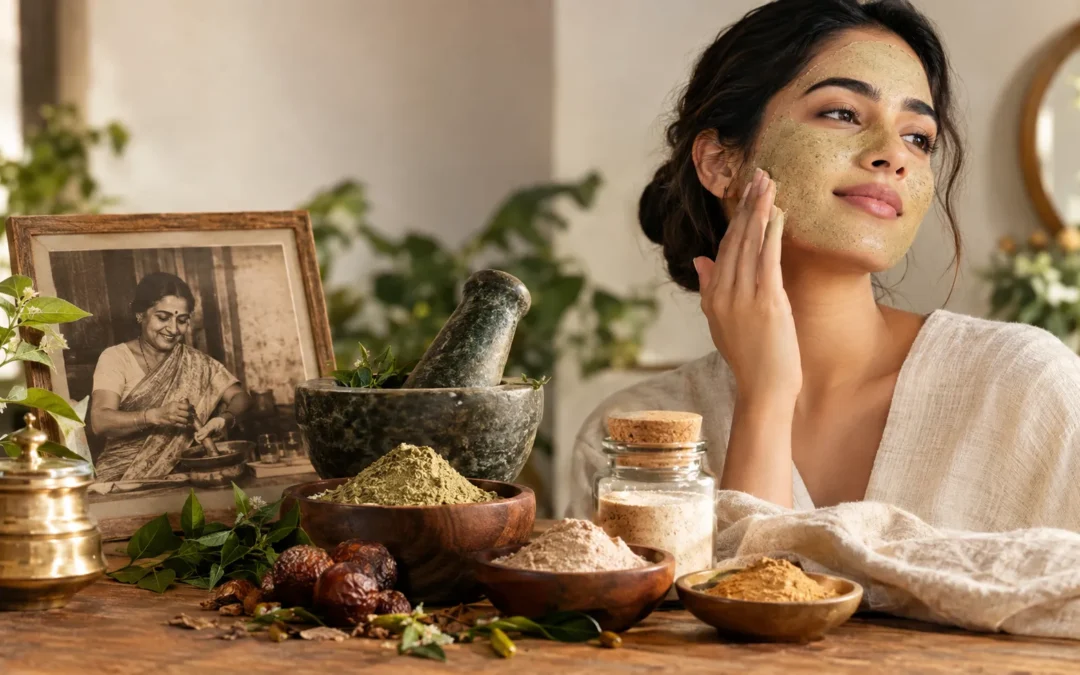

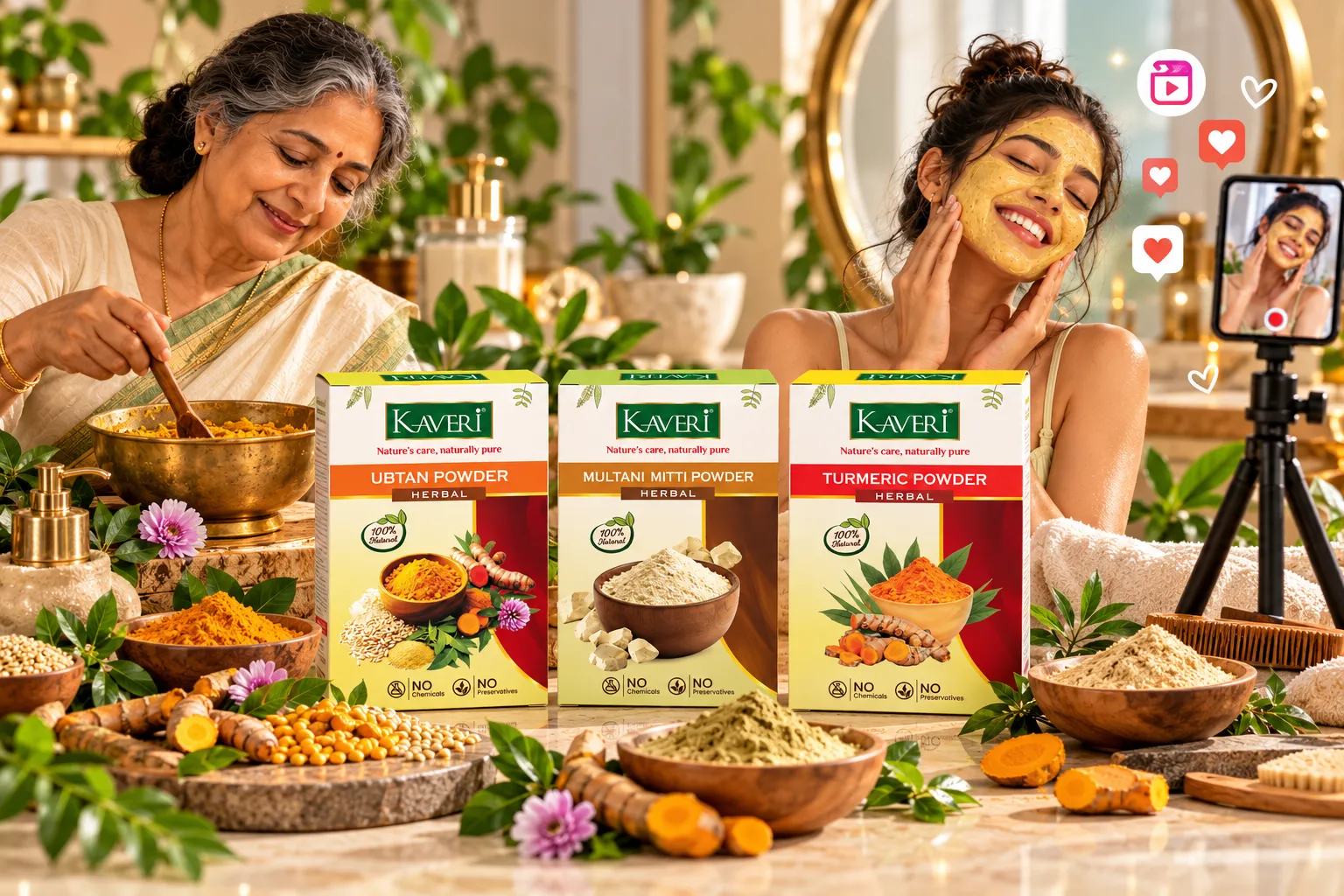
Someone mixes a few ingredients in their kitchen, records a 20-second video, adds a catchy caption, and posts it online. A few hours later, people are saving the Reel, sharing it with friends, and asking the same question in the comments: “Does this actually work?”
Suddenly, a beauty ritual that once happened quietly at home becomes everyone’s next experiment.
Sound familiar?
From traditional hair-care preparations to homemade face masks, beauty rituals have found a new stage on social media. Instagram and other short-video platforms have made it easier than ever for people to discover practices from different cultures, learn about unfamiliar ingredients, and try routines they might never have encountered otherwise.
But what makes one video disappear into the feed while another becomes a trend people can’t stop talking about?
The answer goes beyond the ingredients in the bowl. It’s about curiosity, nostalgia, visual storytelling, creator influence, and our natural desire to discover something that might make us feel good.
Let’s look at how an everyday beauty ritual becomes an internet sensation—and what happens after the views start rolling in.
1. It Starts With Something Familiar, but Feels New Again
There’s something fascinating about watching a beauty ritual unfold on camera.
A creator opens a jar, measures ingredients, mixes a preparation, and demonstrates how it’s traditionally used. The process feels personal, almost as if you’re standing beside them in their bathroom or kitchen.
For viewers, this can feel more approachable than watching a polished advertisement for an expensive product.
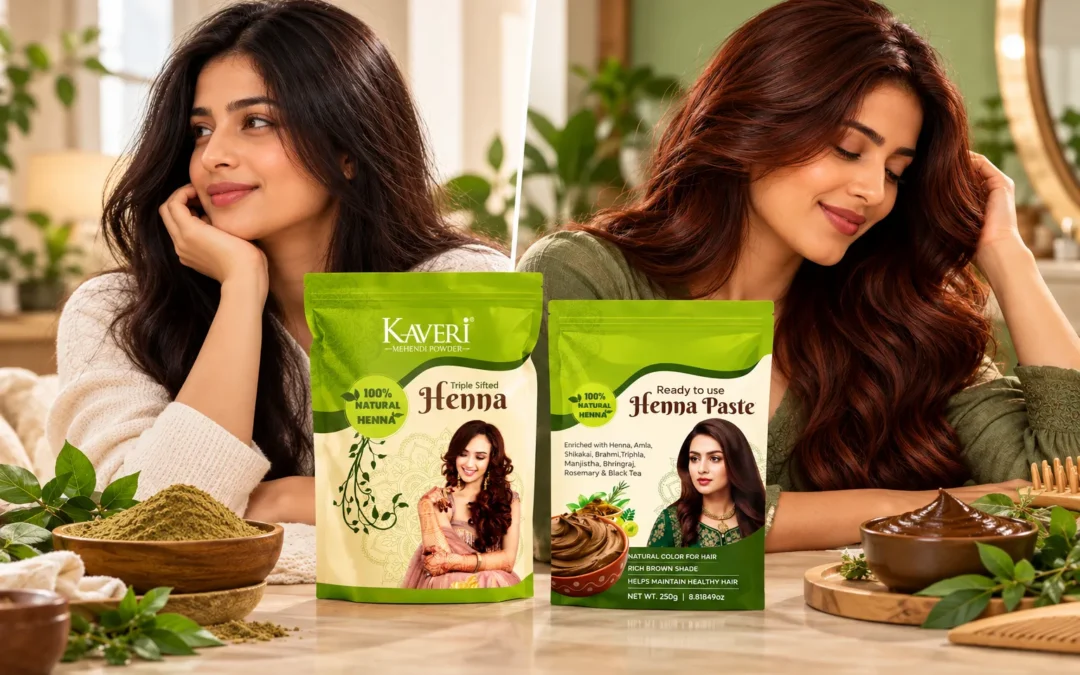
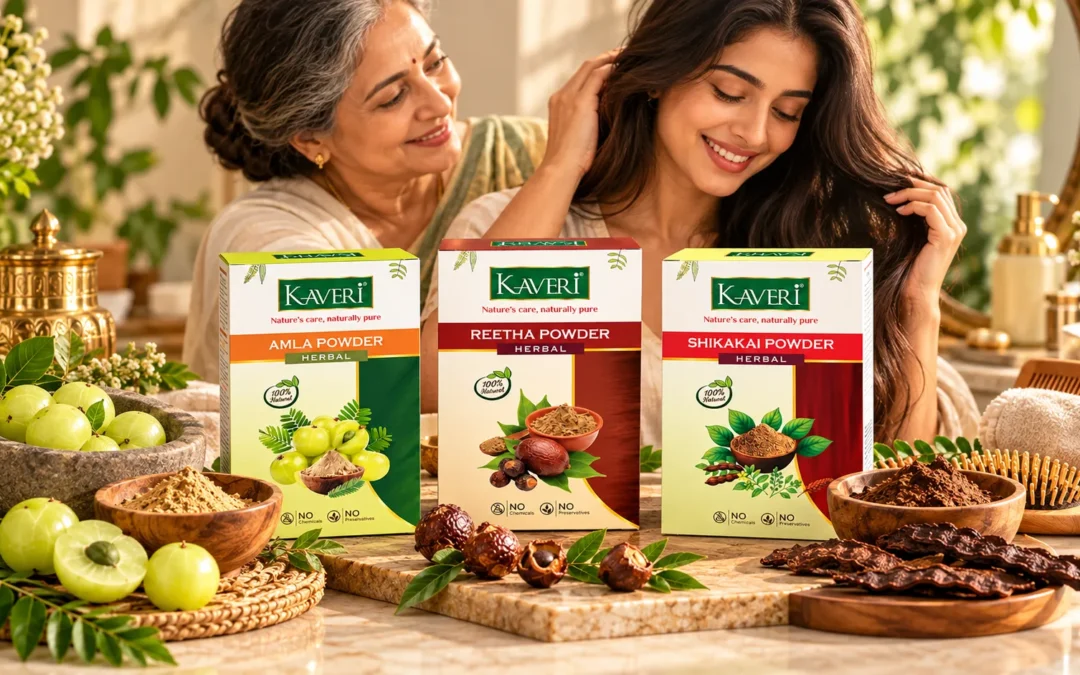
Traditional ingredients such as amla powder and reetha powder are familiar in Indian hair-care traditions. When creators feature them in short videos, they introduce these practices to viewers who may recognise the ingredients from family routines—or discover them for the first time.
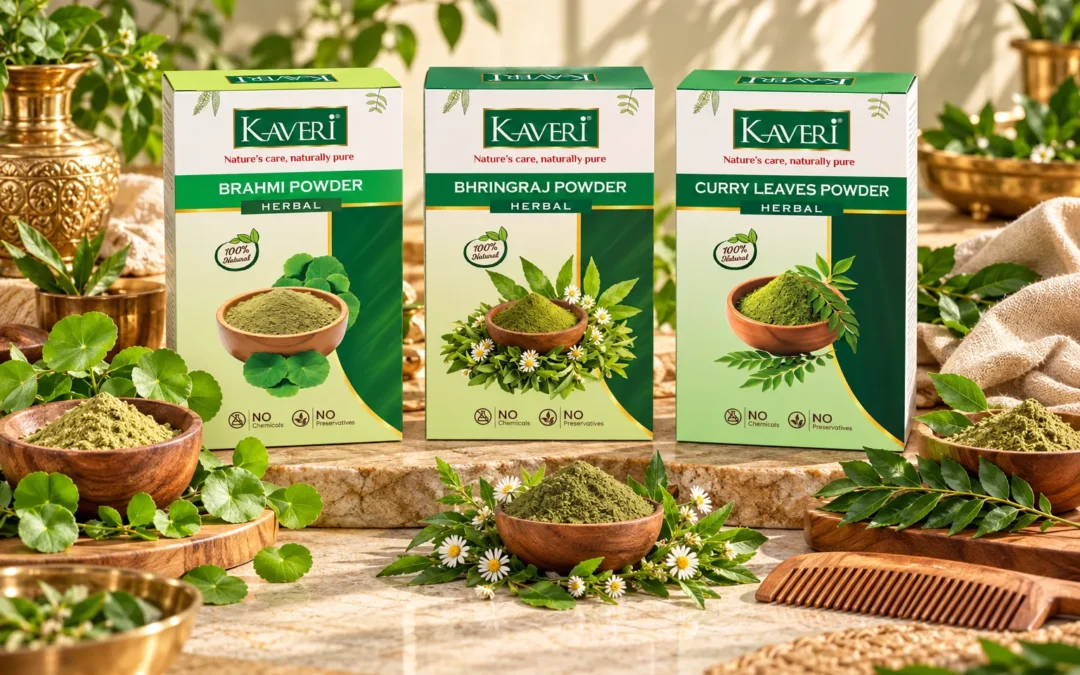
Other familiar names, including shikakai powder, brahmi powder, and bhringraj powder, can also attract attention from audiences interested in traditional hair care.
The appeal often comes from the combination of familiarity and discovery. Older practices feel connected to heritage, while the modern video format makes them feel fresh, accessible, and worth exploring.
Of course, a ritual’s popularity doesn’t prove that it delivers a particular result. Traditional use, personal experience, and scientific evidence are different things.
Still, the story behind an ingredient can be enough to make someone stop scrolling.
2. The Three Seconds That Make Us Stop Scrolling
Social media gives creators very little time to capture attention. That’s why the most engaging beauty videos often begin with a visual moment rather than a long explanation.
A thick mixture being stirred. A close-up of ingredients falling into a bowl. A satisfying texture spread across the palm. A simple before-and-after sequence.
These visuals make a process easy to understand almost instantly.
This is where traditional beauty preparations can work particularly well as video content. Ingredients such as ubtan powder and multani mitti can be shown being prepared, while turmeric powder may appear in videos exploring household beauty traditions.
The process itself becomes part of the entertainment. Viewers don’t have to understand every detail to feel curious enough to watch until the end.
Creators also use captions and opening lines that promise a discovery: a forgotten ritual, a family secret, or a beauty practice worth knowing about.
The important distinction is between an engaging presentation and a reliable recommendation. A beautiful video can demonstrate a process, but it cannot establish that the preparation is safe or effective for everyone.
A video can win your attention in three seconds. Earning your trust takes much longer.
3. Why We Trust a Person on Instagram More Than an Advertisement
Imagine seeing two posts.
One is a polished advertisement with perfect lighting and carefully chosen words. The other shows a creator talking casually about a beauty ritual they learned from a family member.
Which one feels more personal?
For many viewers, the second video may feel like advice from someone they know. The creator’s expressions, everyday setting, and personal story can make the recommendation seem relatable.
This is one reason creator-led content can influence beauty discovery. People aren’t only watching the product or ingredient; they’re responding to the person presenting it.
A creator might discuss hibiscus powder in the context of a traditional hair-care routine, or introduce methi powder while sharing a family-inspired preparation. Another might talk about neem powder for face as part of a video exploring traditional skin-care practices.
These stories can encourage viewers to research ingredients they hadn’t previously considered.
But relatability isn’t the same as expertise. A creator’s positive experience doesn’t guarantee that the same preparation will suit someone else’s skin or hair.
Before trying a recommendation, look for clear information about the product, its intended use, and any relevant safety guidance. Be cautious of dramatic promises, especially when a video presents a personal result as something everyone can expect.
The best creators don’t just make a ritual look appealing. They help their audience understand its limitations, too.
4. When Beauty Becomes a Trend, Everyone Wants to Join In
Have you ever watched a Reel, scrolled away, and then seen the same idea appear again from another creator?
That’s how a small beauty ritual can begin to feel like a major movement.
One person posts a video. Another recreates it. Someone else adds a personal twist. Soon, the original idea appears in tutorials, reaction videos, product recommendations, and comment threads.
This creates a sense that everyone is trying the same thing—and that you might be missing out if you don’t.
Psychologists often discuss this behaviour in terms of social proof: when people are uncertain, they may look at what others are doing to help guide their own decisions.
In beauty, social proof can make an ingredient or ritual appear more desirable simply because it is receiving attention.
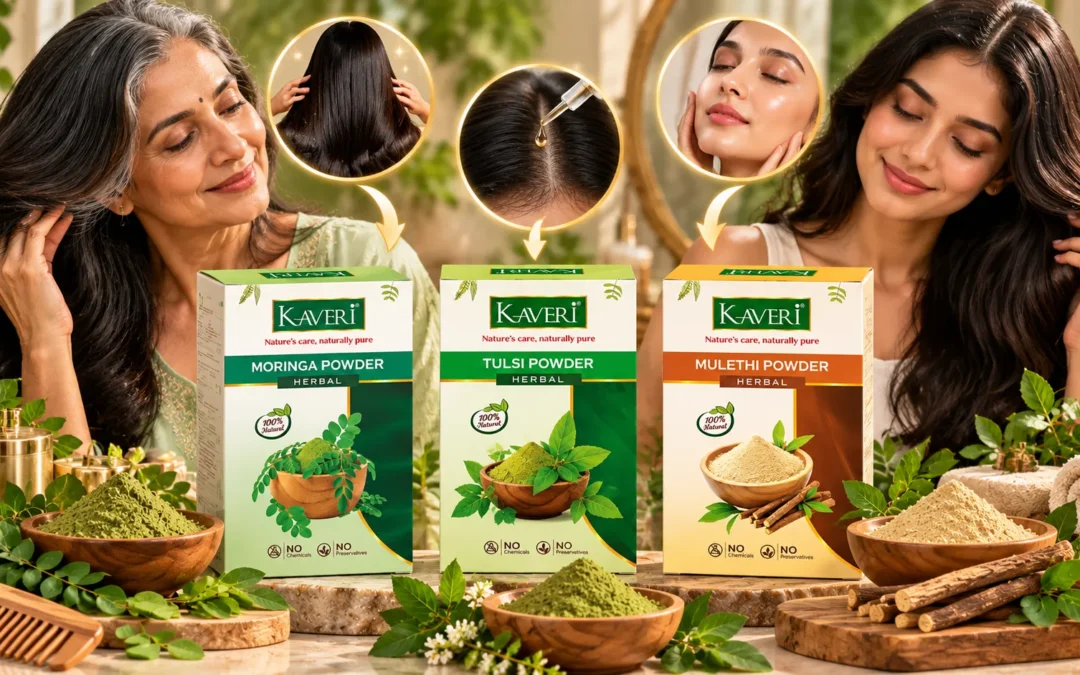
For instance, moringa powder, tulsi powder, and mulethi powder may appear in ingredient-focused content aimed at audiences interested in botanical beauty traditions.
The more people discuss a preparation, the more familiar it becomes. And the more familiar it becomes, the easier it can feel to try.
But popularity isn’t proof of performance. A trend may be worth exploring, but it doesn’t automatically deserve a place in your routine.
Before joining in, ask yourself whether you’re interested in the ritual itself or simply responding to the excitement surrounding it.
5. The Power of the “My Family Has Done This for Years” Story
Not every viral beauty trend begins with a new discovery. Sometimes, it starts with someone remembering something old.
A creator shares a preparation their grandmother used. Another talks about a ritual they remember from childhood. Someone else explains how a traditional ingredient was used in their family.
Suddenly, a personal memory becomes a conversation shared by thousands of strangers.
These stories have emotional appeal because they connect beauty with family, culture, and identity. They can also introduce younger audiences to practices they may have heard about but never explored.
Ingredients such as red sandalwood powder, lemon peel powder, and manjistha powder may feature in videos discussing traditional beauty preparations.
Other creators might explore katha powder, jatamansi powder, or nagarmotha powder while discussing botanical ingredients and their place in traditional practices.
The appeal isn’t always about a promised transformation. Sometimes, people simply enjoy learning where a ritual comes from and why it matters to the people who use it.
That cultural connection deserves to be treated thoughtfully. Traditional practices can vary between families and regions, and a creator’s version shouldn’t automatically be presented as the only authentic way to perform a ritual.
Sharing a beauty tradition can preserve its story. Sharing it responsibly also means respecting its context and avoiding claims that go beyond what is known.
6. From “That Looks Interesting” to “I Need to Try It”
Here’s where curiosity can turn into shopping.
You watch a video, become interested in an ingredient, read the comments, and search for a product online. Before you know it, a casual scroll has led to a new purchase.
This is one of social media’s most powerful effects on beauty discovery: it can connect inspiration and shopping in just a few steps.
A creator discussing curry leaves powder for hair might prompt viewers to research traditional hair-care preparations. A video featuring aloe vera powder may encourage someone to learn more about botanical formulations.
Someone exploring traditional skin-care ingredients might also encounter bael leaf powder or arjun chaal powder during their research.
There’s nothing inherently wrong with discovering products this way. Social media can help people learn about ingredients and find options they wouldn’t otherwise know existed.
The problem begins when the desire to participate becomes stronger than the desire to understand.
A trending ingredient might not suit your needs. A homemade recipe may not be appropriately formulated for your skin. And a product recommended by a creator may not have the same effect for every user.
Before purchasing, check what the product is intended for, read its ingredient information, and look for credible evidence supporting its claims.
A saved Reel can be the beginning of your research—not the end of it.
7. Why the Internet Loves a Beauty Transformation
Few things capture attention quite like a before-and-after video.
The contrast is immediate. The story appears simple. And the viewer is left wondering whether they could achieve a similar result.
But transformation content can hide important details. Lighting, camera angles, styling, editing, the time between images, and other products used can all affect what viewers see.
This matters when creators discuss traditional ingredients such as beetroot powder, indigo powder for hair, or ashwagandha powder in beauty-related content.
Each ingredient has a different history and potential application. Their presence in a viral video doesn’t establish that they will produce a particular cosmetic result, and not every ingredient is intended for the same use.
A responsible creator should explain what was actually done, avoid exaggerating the outcome, and distinguish personal experience from a result that has been established more broadly.
As a viewer, be cautious when a video promises instant changes, guaranteed results, or a solution to every beauty concern.
Enjoy the transformation. Appreciate the storytelling. Just remember that a short video rarely shows the whole picture.
8. The Problem With Turning Every Ritual Into a Challenge
When a beauty practice becomes popular, it can quickly evolve into a challenge: try it for seven days, recreate the creator’s routine, or use the same preparation and share your results.
Challenges can be entertaining, but they can also encourage people to experiment without understanding what they’re applying.
A product or preparation that suits one person may irritate another. Some ingredients can be drying, some preparations may be unsuitable for particular uses, and homemade mixtures may vary in strength or hygiene.
This is particularly important when videos encourage viewers to combine multiple ingredients or apply unfamiliar preparations directly to their skin or scalp.
Don’t assume that an ingredient is harmless simply because it comes from a plant. Check the intended use, follow the product directions, and patch-test unfamiliar formulations where appropriate. Avoid applying new preparations to irritated or broken skin, and stop if you experience discomfort.
You can enjoy a beauty trend without recreating every step.
Being a curious viewer doesn’t mean you have to become the next person in the challenge.
9. How to Enjoy Viral Beauty Trends Without Falling for Every One
You don’t need to stop watching beauty Reels or become suspicious of every recommendation. The goal is to enjoy the content while making your own decisions.
Here’s a simple approach.
Watch for the story, not just the promise. Is the creator explaining a traditional practice, sharing a personal experience, or making a dramatic claim?
Research before buying. Look for reliable information about the ingredient, the finished product, and its intended use.
Separate views from evidence. A video with millions of views is popular content, not automatic proof that a preparation works.
Avoid copying complicated recipes blindly. Ingredients, concentrations, preparation methods, and individual sensitivities all matter.
Choose based on your needs. You don’t have to try an ingredient simply because it appears repeatedly in your feed.
The best part of social media is its ability to introduce us to new ideas. The smartest way to use it is to remain curious without switching off your judgement.
Final Thoughts: A Viral Reel Is Only the Beginning
A beauty ritual’s journey from a bathroom shelf to an Instagram Reel is about much more than an ingredient or a clever video.
It begins with a story that catches someone’s attention. It grows through relatable creators, satisfying visuals, shared memories, and the excitement of discovering something new. Then it spreads as viewers save, recreate, discuss, and share the idea.
That process can introduce people to traditional practices, spark useful conversations, and make beauty feel more accessible.
But it can also turn curiosity into pressure, personal experiences into sweeping promises, and a passing trend into an unnecessary purchase.
The answer isn’t to reject viral beauty content. It’s to approach it thoughtfully.
Enjoy the stories. Learn about the ingredients. Appreciate the traditions behind the rituals. And before trying something new, take a moment to understand what you’re using and whether it makes sense for you.
Because the most valuable thing you can take away from a viral beauty Reel isn’t necessarily the recipe. Sometimes, it’s the curiosity to learn more—and the confidence to decide for yourself.