
What if the secret to a better beauty routine isn’t adding more products, but finally understanding what you actually need?
Open your social media feed, and you’ll probably find someone recommending a miracle serum, a 10-step skincare routine, or a traditional beauty hack that’s suddenly gone viral. There’s always a new product to try, another ingredient to discover, and another reason to wonder whether your current routine is good enough.
It’s exhausting, isn’t it?
Yet, while the beauty industry keeps introducing something new, a different idea is quietly gaining attention: going back to basics.
People are beginning to question the endless cycle of buying, trying, and replacing products. They’re looking for simpler routines, becoming more curious about ingredients, and rediscovering traditional beauty practices that existed long before social media made them trendy.
But here’s the interesting part: going back to basics doesn’t mean going backwards. It means making more informed choices about what deserves a place in your routine.
1. The Beauty Shelf Is Full. So Why Are We Still Looking for More?
We’ve all been there. You buy a product because a creator recommends it. A few days later, another product promises something even better. Before long, your bathroom shelf is crowded, but your routine feels more confusing than ever.
The back-to-basics movement challenges this cycle.
Instead of asking, “What should I buy next?”, people are beginning to ask, “Do I really need it?”
That small change can make a big difference. A routine built around your actual needs is easier to maintain than one built around every trend that crosses your screen.
It also encourages a healthier relationship with beauty. You don’t have to try everything, follow every viral hack, or constantly replace products to feel that you’re taking care of yourself.
Sometimes, the most satisfying beauty upgrade is simply getting back to what works.
2. Your Grandmother’s Beauty Secrets Are Getting a Second Look
Before ingredient lists became social-media talking points, traditional beauty practices often relied on familiar botanicals and simple preparations. Today, that heritage is attracting a new generation of curious beauty enthusiasts.
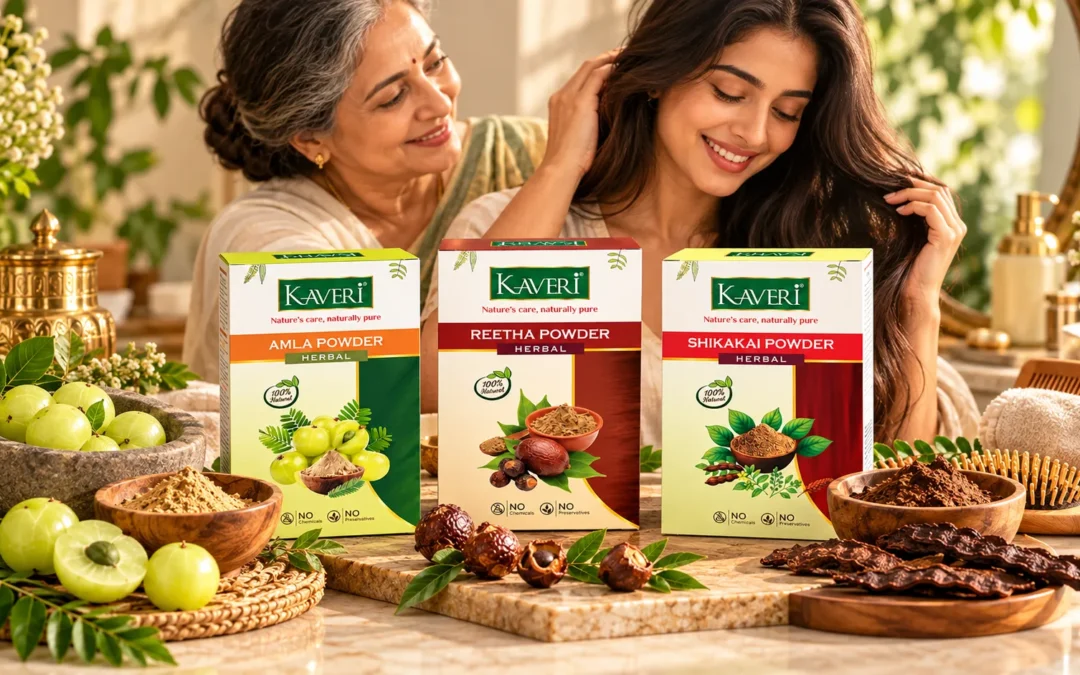
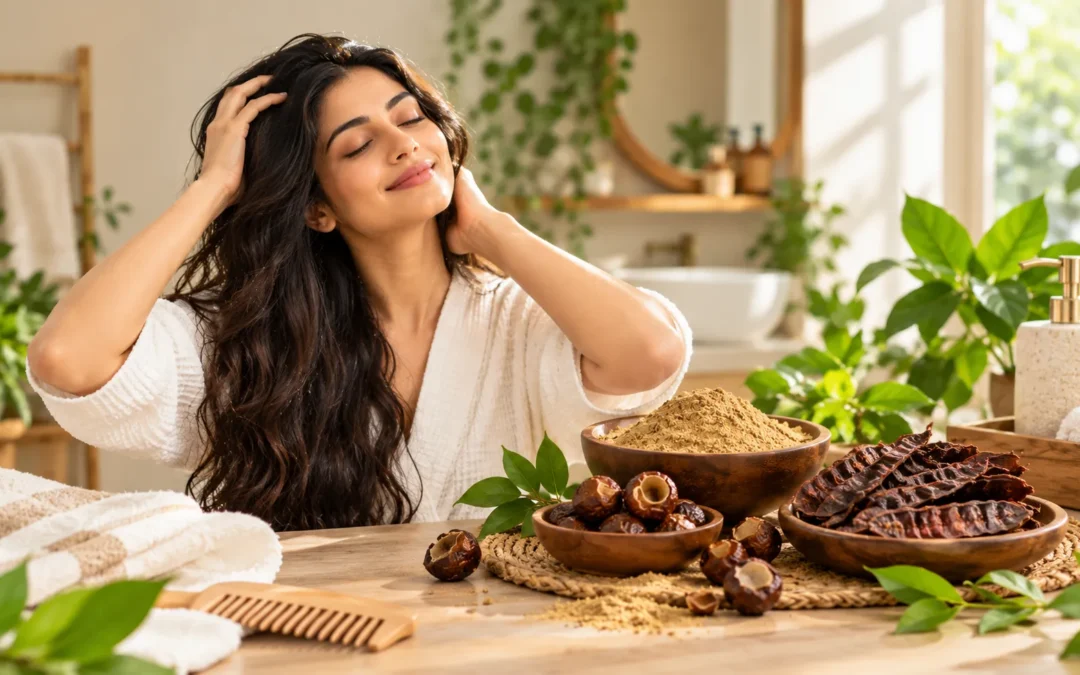
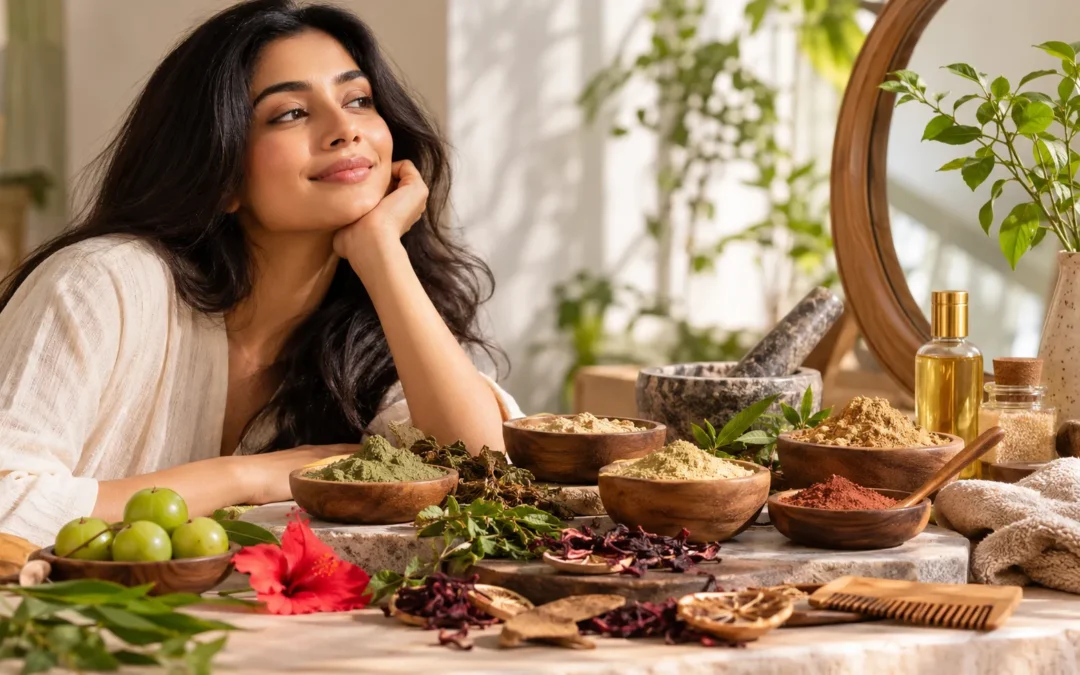
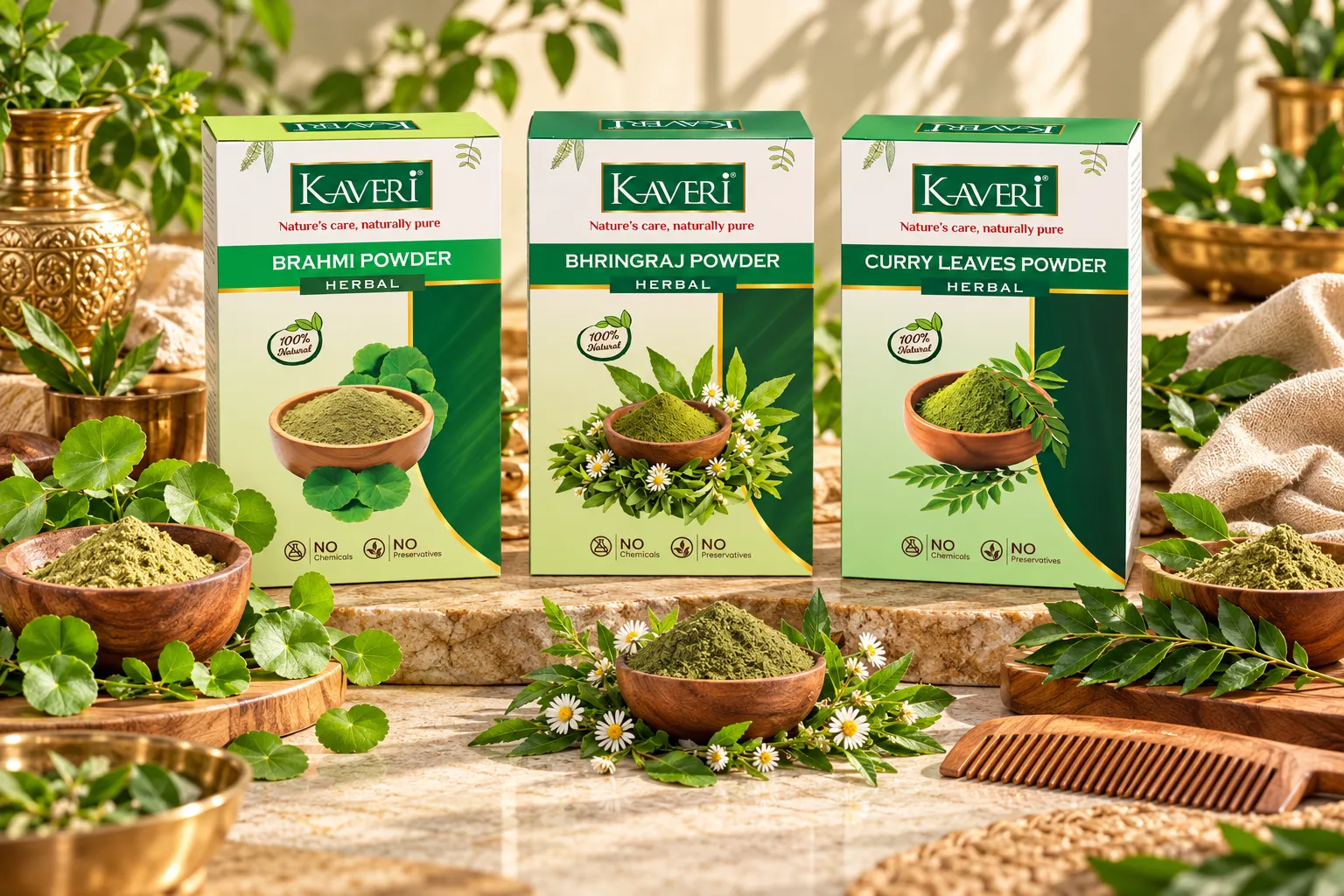
Take amla powder, for example. It has a long association with traditional hair-care practices. Reetha powder and shikakai powder are also familiar in traditional hair cleansing, while brahmi powder and bhringraj powder appear in herbal hair-care traditions.
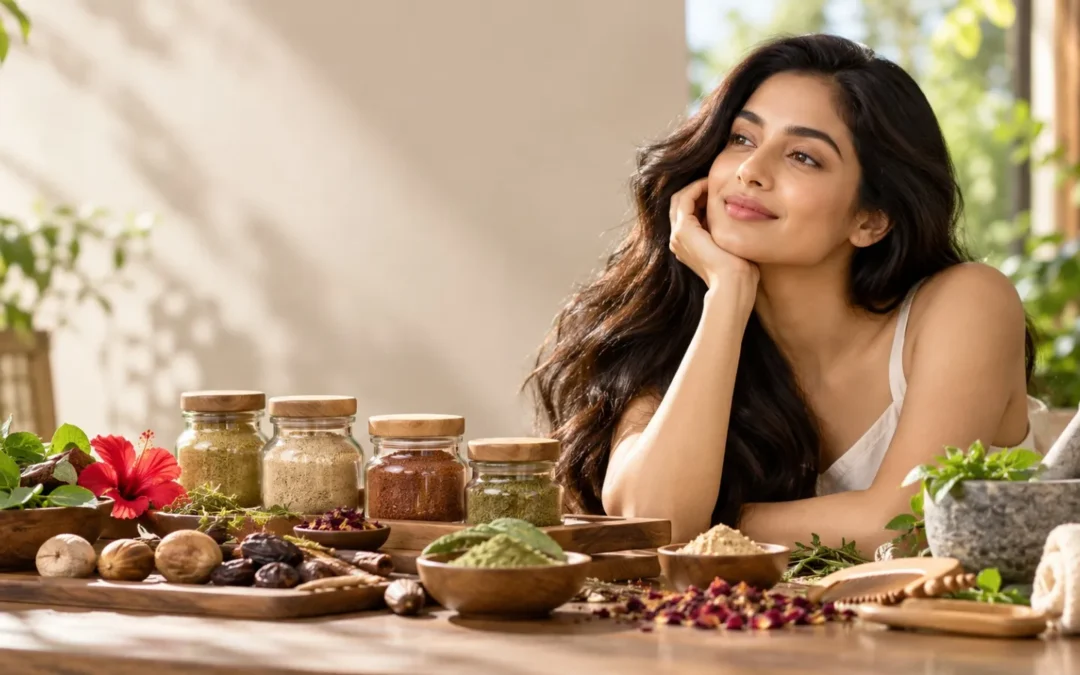
Other ingredients, including hibiscus powder, methi powder, and curry leaves powder for hair, are part of the wider world of traditional botanical hair preparations.
What makes these ingredients interesting isn’t simply that they’re old. It’s that people want to understand what sits behind a product: where its ingredients come from, how they’ve traditionally been used, and whether a particular formulation makes sense for them.
Of course, traditional use isn’t a guarantee of results. Formulation, quality, individual sensitivities, and the way a product is used all matter.
The goal isn’t to recreate every beauty ritual from the past. It’s to explore that heritage with curiosity rather than blindly following another trend.
3. The Comeback of Ingredients That Have Stories to Tell
Beauty products are often marketed around what they promise to do. Traditional ingredients offer another point of interest: the stories, rituals, and cultural practices connected with them.
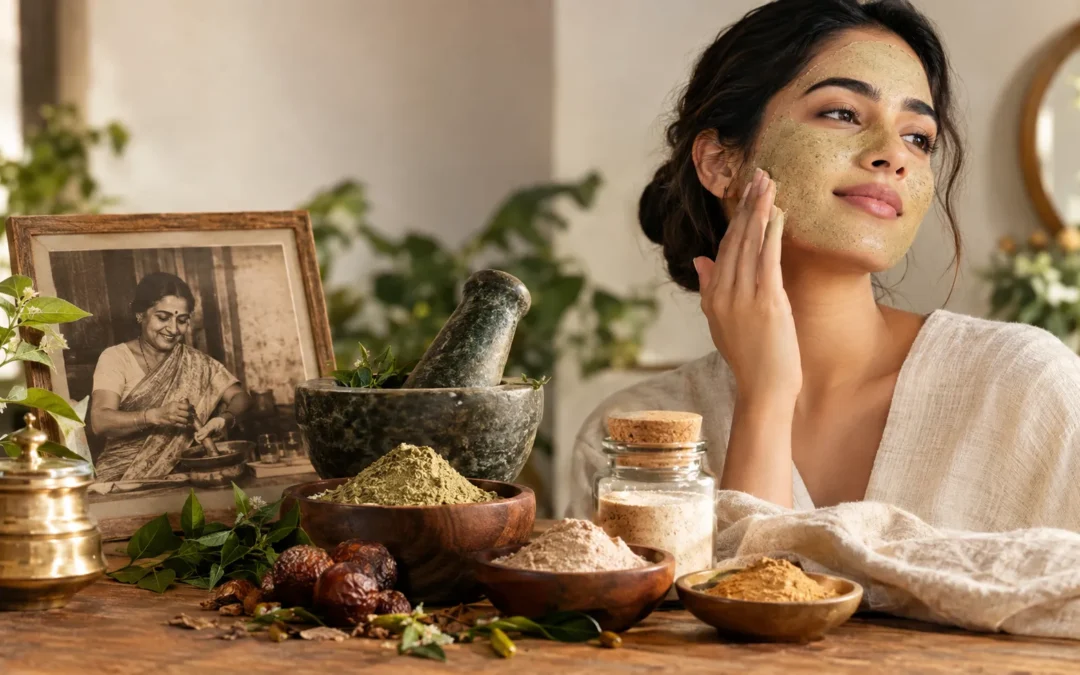
Ubtan powder, for instance, is associated with traditional pre-wedding and personal-care rituals. Turmeric powder has a long history in household preparations, while multani mitti is familiar in traditional skin-care practices.
Then there are ingredients such as neem powder for face, mulethi powder, and manjistha powder, which people may encounter when exploring traditional botanical formulations.
The appeal lies in learning, not assuming. An ingredient’s history can make it worth exploring, but it doesn’t automatically prove that it will suit every skin type or deliver a particular result.
If you’re interested in trying something new, look for a well-described formulation intended for your needs. Introduce unfamiliar products carefully, patch-test where appropriate, and stop if irritation occurs.
After all, a beauty ritual should feel like self-care, not an experiment your skin never agreed to.
4. The New Luxury Is Knowing What Works for You
For a long time, beauty marketing has made bigger routines seem better. More steps can look more sophisticated, and more products can feel like more effort.
But effort and effectiveness aren’t the same thing.
A thoughtful routine starts with the essentials. For skin, that generally means gentle cleansing, moisturising, and daily sun protection. For hair, it means suitable cleansing, conditioning, and habits that help reduce damage.
Once those foundations are in place, you can decide whether an additional product serves a genuine purpose.
Interested in plant-derived formulations? Moringa powder, tulsi powder, and aloe vera powder are examples of ingredients you may come across while researching botanical products. Lemon peel powder and red sandalwood powder are also associated with traditional beauty preparations.
You don’t need to collect them all. You don’t even need to try any of them if they don’t suit your needs.
The point is to make choices because they make sense for you, not because a trend tells you that you’re missing out.
A well-considered routine isn’t the one with the most products. It’s the one you understand and can maintain.
5. A Little Reality Check: Natural Doesn’t Always Mean Better
Here’s where it’s important to separate beauty nostalgia from beauty facts.
An ingredient can be traditional, plant-derived, and widely discussed without being suitable for every person. Natural ingredients can still cause irritation, and homemade preparations may have unpredictable strength, texture, or hygiene.
For example, katha powder may appear in traditional ingredient discussions, while jatamansi powder and nagarmotha powder are other botanicals people may encounter when researching herbal preparations.
Their traditional associations can be interesting, but the ingredient name alone tells you very little about whether a finished product is appropriate for your skin or hair.
Before buying, check the complete ingredient list, intended use, directions, and quality information. Avoid applying unfamiliar preparations to irritated or broken skin, and seek professional advice if you have persistent skin or scalp concerns.
The back-to-basics philosophy isn’t about believing that everything old is good and everything modern is unnecessary.
It’s about being curious enough to look beyond the label.
6. The Best Beauty Routine Might Be the One You Stop Overthinking
Imagine starting your morning without wondering whether you’ve missed a trending step. You know which products you use, why you use them, and what your routine is designed to do.
That’s the appeal of simplicity.
You might explore bael leaf powder or arjun chaal powder out of curiosity about traditional botanicals. You might come across beetroot powder while researching plant-derived ingredients, or learn about indigo powder for hair when looking into traditional hair-colouring practices.
The important thing is to research each ingredient in context rather than assuming that every botanical belongs in every routine.
You can appreciate traditional beauty practices without trying every ingredient. You can enjoy modern skincare without buying every launch. And you can change your routine when your needs change.
There is no single perfect routine waiting to be discovered. There’s only the process of finding what makes sense for you.
7. How to Embrace the Back-to-Basics Trend Without Starting Over
You don’t need to throw away your products or rebuild your bathroom shelf from scratch. Start with a few small changes.
Take stock of what you own. Which products do you actually use? Which ones serve a clear purpose? Which ones did you buy simply because they were trending?
Return to the essentials. Keep your routine focused on the basics that support your skin or hair needs before adding extras.
Be curious about ingredients. Read labels, research unfamiliar names, and distinguish traditional uses from evidence supporting a specific benefit.
Introduce changes gradually. Trying several new products together makes it harder to identify what suits you.
Give yourself permission to skip trends. If a product doesn’t fit your needs, budget, or preferences, you don’t have to buy it.
These aren’t dramatic changes. That’s precisely the point. A simpler routine should make your life easier, not give you another project to manage.
So, Is Going Back to Basics Just Another Beauty Trend?
It could have started as a reaction to complicated routines and endless product launches, but the idea behind it goes beyond a passing trend.
People want to feel informed about what they use. They want routines that fit into real lives, not just perfectly arranged bathroom shelves. And they’re becoming more interested in the stories and ingredients behind the products they choose.
Traditional botanicals and modern formulations can both have a place in that conversation. Neither needs to be treated as the universal answer.
The real shift is in the way we approach beauty: less pressure to keep up, more attention to our individual needs, and a willingness to question whether another product will genuinely add value.
Because the next big beauty discovery might not be a new ingredient or a complicated routine. It might be realising that you already have enough to begin with.